48° and Clear
Image
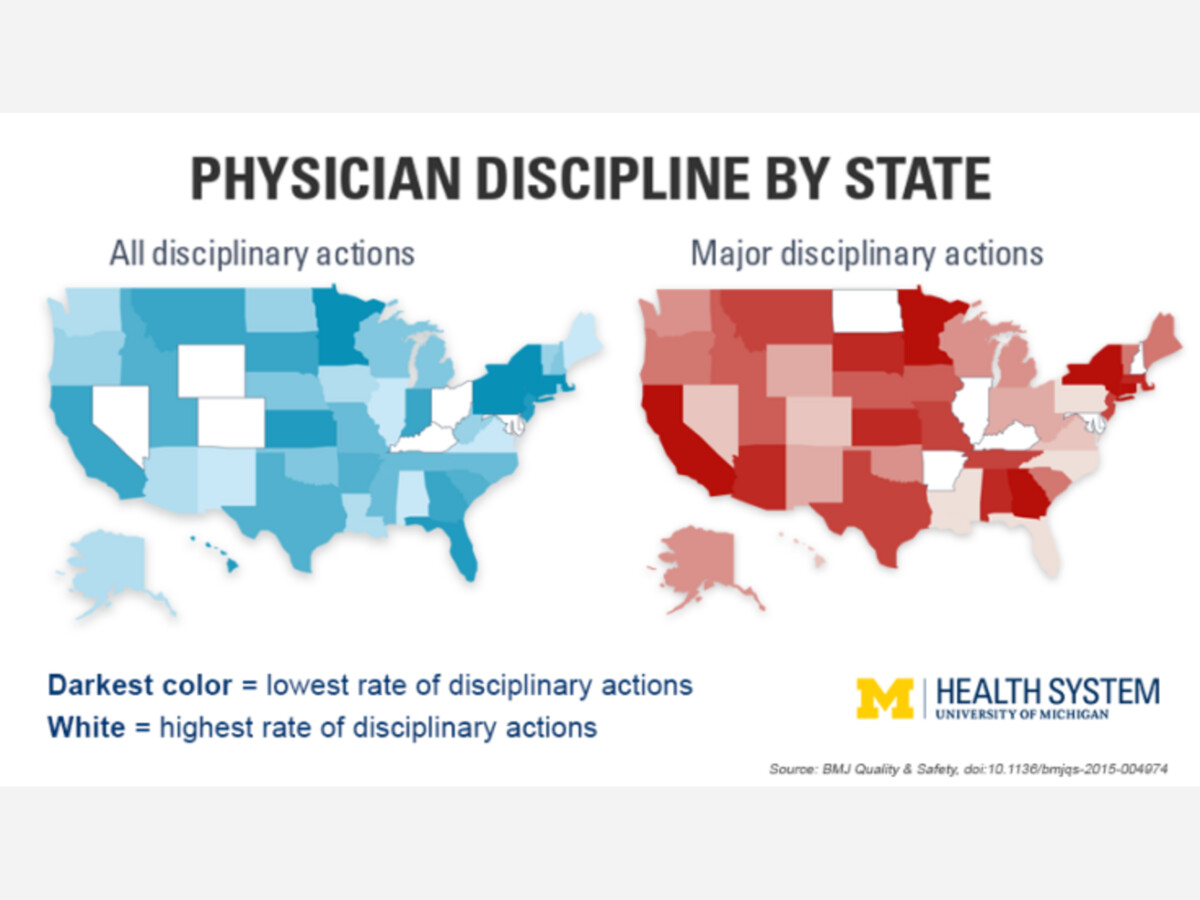



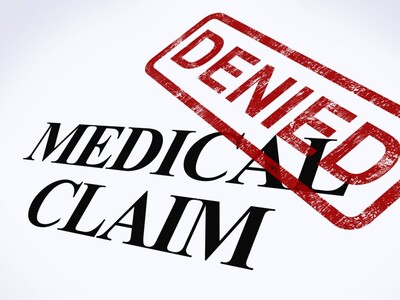
An investigation by KUOW and ProPublica has revealed that the Washington Medical Commission frequently fails to uphold a 1984 state law requiring proactive public and media notifications when formal disciplinary charges are filed against doctors. Although Washington state is legally unique in mandating these proactive news releases, regulators routinely delay announcements by months—sometimes by 100 to 300 days—or omit them entirely until a case is fully resolved. Instead of issuing timely press releases to local media, the commission has relied heavily on a quarterly, subscribers-only email list that lacks sufficient detail on the allegations, leaving patients entirely in the dark.
This lack of transparency has carried severe real-world consequences, as accused physicians are legally permitted to continue seeing patients while their disciplinary cases wind through the system. For example, Richland doctor Brooks Watson faced no public announcement for more than nine months after being charged with severe sexual misconduct against coworkers. In another instance, an eastern Washington OB-GYN, Mark Mulholland, was allowed to continue practicing during a notification delay, leading to subsequent lawsuits from patients who say they would never have seen him had they been warned. The review also exposed massive communication gaps, including a recent period where the commission went nearly 270 days without issuing updates, alongside an admission from the state Department of Health that it had failed to publish bulletins on dozens of enforcement actions over the last decade.
In response to the investigation, patient safety advocates and lawmakers have voiced sharp criticism. State Representative Gerry Pollet openly accused the commission of failing to comply with the spirit and letter of the law, threatening to use legislative budget directives to force compliance if necessary. While the Washington Medical Commission defended its current practices as legally sufficient, it acknowledged the need to modernize its transparency standards and has promised to alter its processes to make future allegations against licensees significantly more visible to the public.
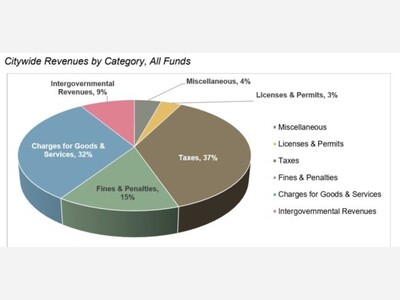

This is really well done and should be read by everyone who will vote on the property tax levy lid increase in our upcoming election. I hope every LFP council member has already read it and understands it.
I'm impressed with the analysis but I didn't see any attribution so am curious to know whether this was written by a human or generated by AI.
Both.

Overcast, with a high of 60 and low of 45 degrees. Light drizzle for the morning, overcast in the afternoon, clear in the evening, overcast overnight.