Image
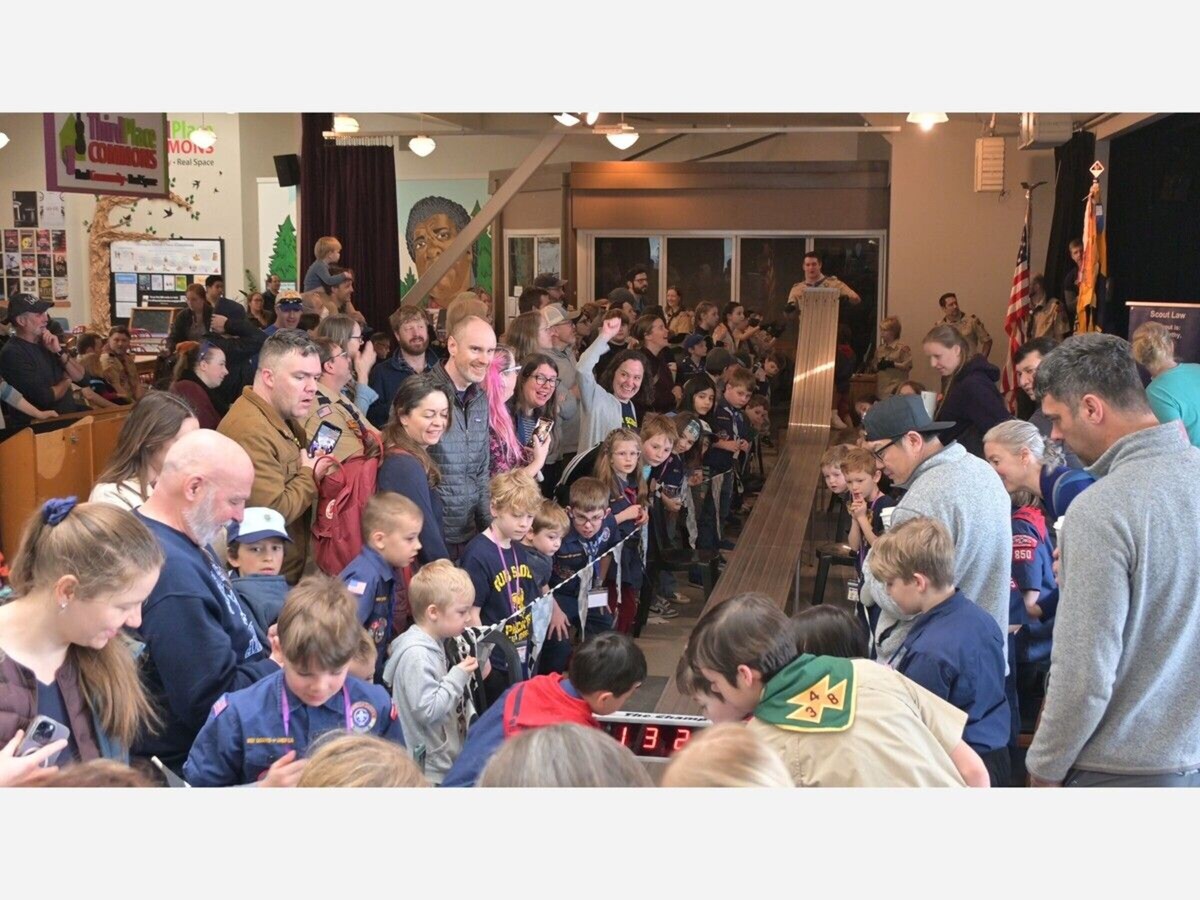
Scouting America pinewood derby March, 2026 at Third Place Commons. Photo by author.



According to this article, the physical spaces where Americans gather, converse, and build low-stakes social ties, like bowling alleys, corner diners, local movie houses, and community centers, are rapidly vanishing across the country. Right here in LFP, we just lost the Lake Forest Bar and Grill. Luckily, we still have Third Place Commons.
What sociologists call "third places"—spaces outside of home and work where people socialize—are being shuttered by a combination of predatory real estate costs, shifting urban design, and a punishing post-pandemic economy, leaving behind a nation struggling with unprecedented levels of social isolation.
Data from the Bureau of Labor Statistics shows that since 2001, the United States has lost a fifth of its movie theaters and nearly a third of its bowling alleys. The losses extend far beyond traditional entertainment venues.
A 2025 study tracking Census data across 12 distinct categories of third places—including libraries, coffee shops, museums, and recreation centers—found widespread closures nationwide between 2019 and 2021. According to the study's researchers, including Dr. Jessica Finlay, an assistant professor of geography at the University of Colorado Boulder, the losses hit hardest in rural regions and in Black, Hispanic, and lower-income communities.
"Countless mundane, overlooked places where people hung out are disappearing," Finlay noted, pointing to forces that predated the pandemic but accelerated rapidly in its wake.
For the venues that manage to stay open, operating costs have reached unsustainable levels. Restaurant food costs have surged 38%, and labor costs 35% since 2019, leaving nearly half of operators unprofitable despite rising menu prices. Movie theater chains face mounting real estate pressures, with operators like AMC saddled with over $850 million in annual rent and $400 million in interest expenses.
At the same time, urban environments are being subtly re-engineered to prevent public gathering. Researchers point to a rise in "disamenities"—design choices like removed park benches, sealed tunnels, drive-thru-only layouts, and unmaintained public restrooms that actively discourage people from lingering or interacting.
The disappearance of social infrastructure carries direct physical and financial consequences. Research led by Dr. Julianne Holt-Lunstad, a professor of neuroscience at Brigham Young University who co-authored the U.S. Surgeon General’s 2023 Advisory on Loneliness, indicates that chronic social isolation increases the risk of premature death by up to 29%—a health hazard benchmarked as equivalent to smoking 15 cigarettes a day.
Holt-Lunstad’s national survey revealed that nearly three-quarters of Americans gather in person with non-household friends or loved ones twice a month or less, while 67% report never participating in a local club or civic organization. Beyond the human cost, social disconnection is estimated to cost the U.S. economy $406 billion annually in lost productivity and healthcare spending.
Experts warn that the loss of casual daily encounters—chancetime conversations with neighbors, store clerks, or acquaintances—deprives people of a protective "relational portfolio" that supports long-term mental well-being.
As traditional social outings become cost-prohibitive—with the average single date now topping $189—younger generations are adapting. Members of Gen Z are increasingly turning to lower-cost, low-pressure alternatives like outdoor meetups, line dancing, roller skating, or passive outings like movie theaters to avoid financial stress and social anxiety.
Yet researchers stress that low-cost workarounds cannot fully replace a robust public infrastructure. Without accessible, affordable places to gather, communities risk losing the foundational spaces that build trust, hope, and everyday civic connection.


Please label AI-written posts!!!! This one is likely 100% AI: https://www.pangram.com/history/bae3817e-8442-46b7-a065-8069d59b0ca0


Light rain shower, with a high of 56 and low of 46 degrees. Light rain shower in the morning, light drizzle overnight.