50° and Light drizzle
Image
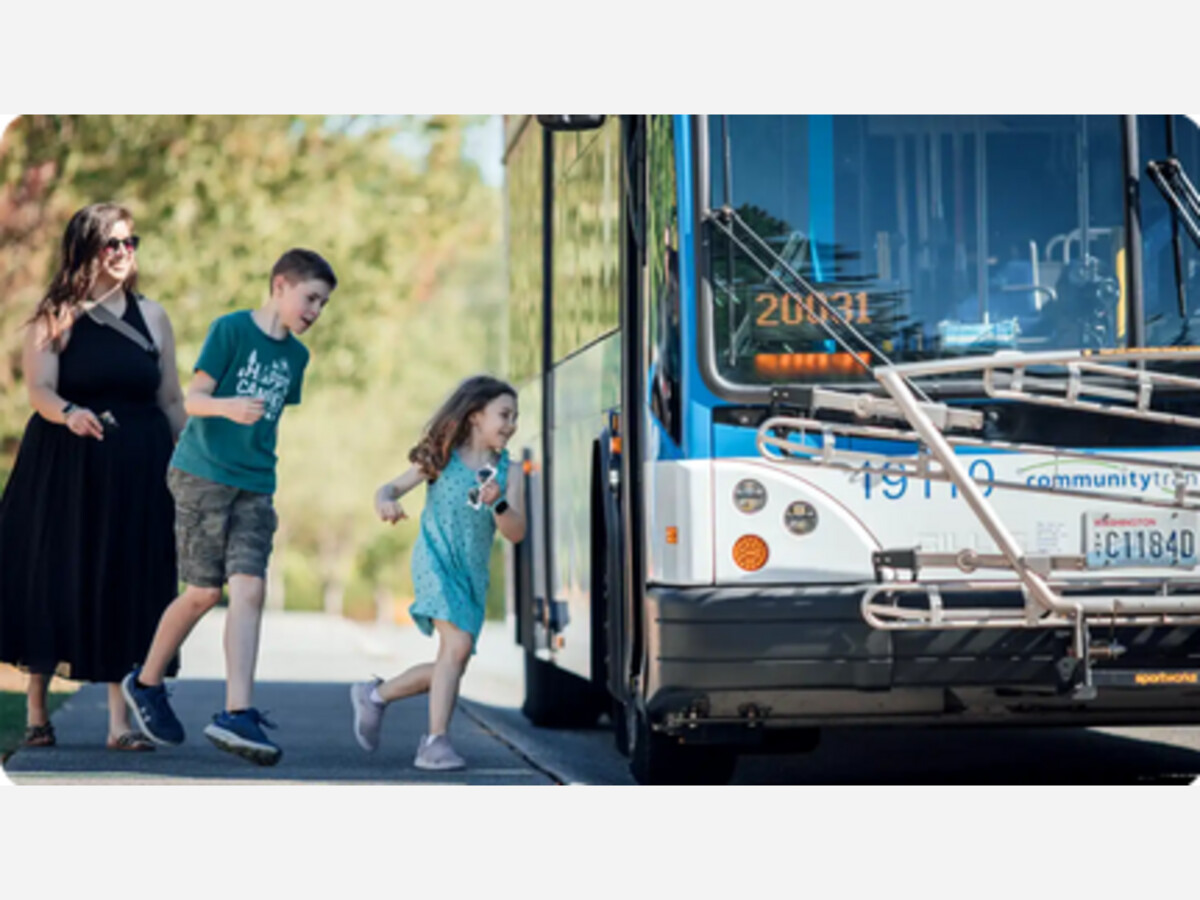



By Paula Goode, Lake Forest Park City Councilmember
King County Metro has invested years planning for the opening of the Lynnwood Link light rail extension. The Lynnwood Link Connections project represents a significant undertaking involving technical analysis, an Equity Impact Review, extensive public engagement, and coordination with cities, community organizations, and elected officials throughout the region.
That work deserves recognition.
Planning a regional transportation system is no easy task. It requires balancing financial realities, operational efficiency, regional connectivity, and the transportation needs of diverse communities across King County.
As these service changes move from planning into everyday reality, however, I believe there is an important question worth asking:
Has the redesigned transit network preserved community mobility for the residents who depend most on the SR-522/Lake City Way corridor?
Community Mobility Is Different from Regional Mobility
The Lynnwood Link Connections network was designed to strengthen regional connections to Link light rail. That is an important objective.
Community mobility asks a different question; Can residents still accomplish the ordinary activities of everyday life safely, conveniently, and independently?
Can they buy groceries, pick up a prescription, attend a medical appointment, get to work, reach school, or visit family without unnecessary barriers?
For many people, the answer may still be yes.
For others, the journey has become considerably more complicated.
A Corridor That Functions as One Community
The SR-522 corridor is much more than a ‘commuter’ route connecting Seattle and Bothell.
It is a connected community stretching through Lake City, Lake Forest Park, Kenmore, and Bothell. Every day, residents travel north and south throughout this corridor to reach now very limited grocery stores and pharmacies, along with medical providers, schools, community services, and the University of Washington.
These are not occasional trips.
They are the ordinary activities of daily life.
As I began reviewing this corridor, I was struck by the number of people who may be particularly affected by these changes.
The corridor includes affordable housing, senior housing, permanent supportive housing, apartment communities, and thousands of surrounding homes. The documented affordable, supportive, and senior housing communities identified along or immediately adjacent to the corridor represent approximately 1,800 to 1,900 housing units, likely home to between 3,300 and 4,000 residents. These figures do not include the many thousands of additional residents living in surrounding neighborhoods who also rely on the corridor.
Many of these residents depend on public transportation because they cannot afford to own a car, have age related or other mobility issues.
Food, Medicine, and Everyday Life
Public transportation is about much more than commuting. It is how many residents obtain food, medications, health care, and other necessities of daily living.
The SR-522 corridor now connects residents to the only four full-service grocery stores located directly along the corridor—Safeway, Town & Country Market, QFC, and Grocery Outlet—along with the four remaining pharmacies, medical clinics, schools, employment centers, and community services that many residents depend upon every day.
As Lake City has lost several neighborhood pharmacies in recent years, reliable north-south transit has become increasingly important for residents who must travel beyond their immediate neighborhood for groceries, prescription medications, and other essential services. For those without access to a personal vehicle, these are not discretionary trips, they are necessities of daily life.
When someone needs a quart of milk, a prescription refill, or a doctor's appointment, convenience is not simply a matter of comfort, it can determine whether public transportation remains a practical option.
When a Simple Trip Becomes a Complex Journey
One of the most noticeable changes under the new network is the replacement of many direct trips with transfer-based travel.
While destinations generally remain accessible, the travel experience changes significantly. Trips that once followed a direct north-south route may now require riders to travel north, then east or west to connect with another bus or Link light rail, before continuing south or north again to reach their final destination.
For many residents, these are not simply additional transfers.
They represent additional walking, longer wait times, greater uncertainty if a connection is missed, bad weather, and a more physically demanding journey.
Many people also "chain" trips together. A single outing may include buying groceries, picking up a prescription, stopping at the bank, attending a medical appointment, and then returning home. When each segment of that journey requires another transfer, what was once a simple errand can become a lengthy and exhausting experience.
For some riders, this may be only a minor inconvenience. For others—particularly seniors, people with disabilities, families with young children, and individuals carrying groceries or medications—it may determine whether transit remains a practical choice at all.
A Question About Community Engagement
Metro's published planning documents describe an extensive regional public engagement effort involving community events, surveys, meetings with community organizations, elected officials, income-eligible housing providers, and local jurisdictions.
That effort deserves recognition.
However, because the SR-522 corridor contains a significant concentration
of affordable housing, senior housing, permanent supportive housing, and transit-dependent residents, I believe an important question remains.
How were the unique mobility needs of these corridor communities specifically evaluated?
The published engagement summaries describe extensive outreach throughout the project area, but they do not clearly explain how outreach was distributed within the communities most directly affected by these service changes, including Lake City and Lake Forest Park, or how feedback from those corridor communities influenced the final service design.
This is not a criticism of Metro's outreach, it is simply a request for greater transparency regarding how community-specific concerns were considered.
Looking Forward
Transportation planning should not end when new routes are implemented.
One of the strengths of good public policy is the willingness to evaluate outcomes and make adjustments when experience demonstrates that improvements are warranted.
Regional mobility and community mobility should complement one another—not compete.
As these changes take effect, I hope King County Metro and the King County Council will continue evaluating how they affect the people who rely on this corridor every day.
Transportation is ultimately about people; it is about whether a senior can pick up a prescription, whether a family can buy groceries, whether a student or professor can reach the University of Washington, whether a worker can get to a job, and whether a neighbor can continue living independently.
Community mobility isn't about buses.
It's about people.
And every time we redesign a transportation system, we should ask one simple question:
Have we made everyday life easier—or harder—for the communities we serve?
The opinions expressed are those of the author and do not necessarily represent the official position of the Lake Forest Park City Council. Please contact the King County Council with any comments or concerns regarding these Metro route changes.

Light rain shower, with a high of 55 and low of 45 degrees. Light rain shower during the morning, patchy rain nearby in the afternoon and evening, light drizzle overnight.