51° and Mist
Image
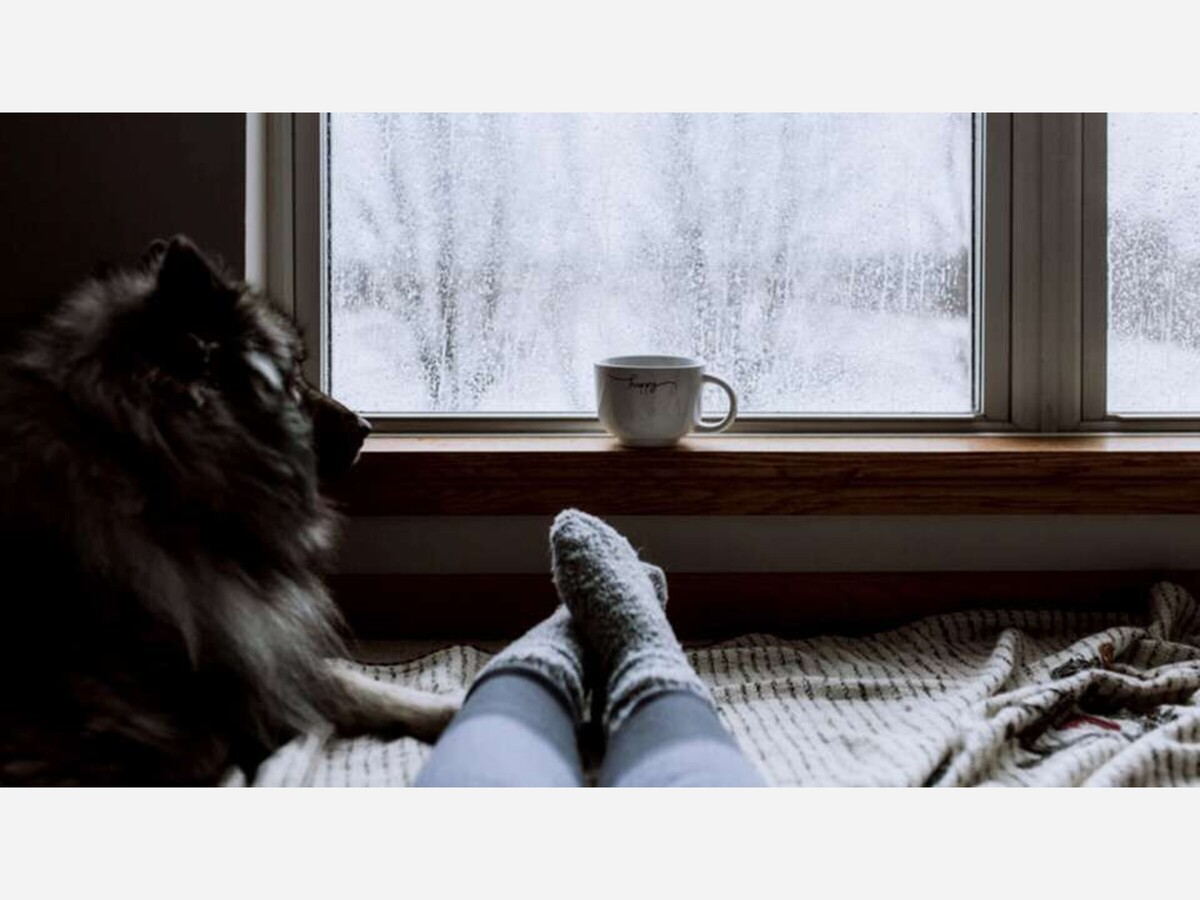
© Melanie DeFazio / Stocksy United



By McKenna Princing for Right As Rain by UW Medicine
The Big Dark has arrived, aka winter in the Pacific Northwest,
where we regularly get just eight to nine hours of daylight each day
(most of them obscured by rainclouds).
It’s normal to feel sleepier and less motivated during this time of
year, but you don’t have to resign yourself to that fate and spend your
days holding vigil for spring.
Here’s what you need to know about winter hibernation and why it’s
not always a bad thing, how to recognize if you have a more serious
problem, and what to do to make winter more bearable.
Feeling sleepier and less motivated, plus wanting to eat more and
stay home more, are pretty typical occurrences once the days start
getting shorter, says Dr. Ramanpreet Toor, a UW Medicine psychiatrist. She calls this pattern of behavior “seasonality.”
Though doctors aren’t entirely sure why seasonality happens, one
hypothesis is that it has to do with disturbance in the sleep-wake cycle
with changes in exposure to light and darkness, which can impact the
release of melatonin, a hormone that plays a role in regulating our
sleep-wake cycle.
When you’re exposed to daylight, your body holds off producing
melatonin; this keeps you awake during the day. But when darkness falls,
your melatonin production increases, which encourages your brain to
seek sleep.
“That’s where hibernation comes from in animals. It works for animals
who can do it — it’s a natural genetic tendency to do it — but it
doesn’t work for functioning humans,” Toor says.
If you’re craving more sleep and alone time in winter, you might wonder: Is that really such a bad thing?
Well, yes … and no.
“I wouldn’t recommend slowing down more or sleeping more; if someone
is at risk of depression, that’s going to worsen symptoms,” Toor says.
That is, don’t give yourself a pass and sleep in all the time or bail
on social engagements because you decided you’re going to go into
full-on hibernation. It will only make you feel worse. (You’re not a
bear, after all.)
However, making a thoughtful decision to take more time for relaxation and self-care can be a good thing, says Dr. Lorin Boynton, a psychiatrist who practices at the Outpatient Psychiatry Clinic at University of Washington Medical Center-Roosevelt.
“In winter, celebrate being idle. We just go go go so much; it’s a
good time of year to delight in doing nothing, to enjoy quiet and simple
things. It allows for more creativity,” she says.
So how do you know if your decision to stay home and snuggle on the
couch with a good book and warm blanket is about self-care or sadness?
It’s ultimately about how the activity makes you feel, Boynton says.
“Purposefully slowing down and being idle is a positive thing — you
feel good about it — whereas for people with depression, it’s a negative
thing, it feels heavy, they don’t feel motivated to do anything. A lot
of it is about balance,” she explains.
Speaking of depression, let’s be clear about one thing: Getting a little seasonality during the winter,
or taking more time to be thoughtful and reflective and slow down, is
not the same thing as feeling so tired or unmotivated that you’re having
trouble getting through the day.
You’ve probably heard of seasonal affective disorder,
or SAD, which is commonly considered a wintertime version of
depression. But the reality is a little more complicated than that.
“SAD is a broad term, it’s a type of mood disorder. It can be the
onset or worsening of depression, mania or hypomania in context of
seasonal changes. We often talk about depression because that’s the most
common mood disorder during fall and winter,” Toor says.
People who already deal with mental health issues like depression are
more likely to get SAD. Women, people who live at higher latitudes
(including us Pacific Northwesterners), and people who are younger all
have a higher risk for SAD.
Toor describes both seasonality and SAD as being on opposite ends of a
mental health spectrum. Most of us fall on the spectrum somewhere, and
sometimes it’s hard to know right away if the symptoms we’re
experiencing are full-blown SAD or not.
“For SAD there’s an idea that they should have five or more symptoms
of depression, but sometimes people can have just one symptom and it’s
severe enough. There’s not a lot of formal literature on the
differences, it’s more about how much it’s interfering with your
functioning,” Toor says.
If you think you might have SAD, Toor recommends mentioning it to
your primary care provider. They will be able to screen you for seasonal
depression and determine if your symptoms are caused by a mood disorder
or something else, like vitamin D deficiency.
If you do get diagnosed with SAD, your doctor will recommend
treatment options. This can vary depending on how severe someone’s
symptoms are, Toor says, but usually includes things like light therapy
and dawn simulation, medication or even cognitive behavioral therapy.
One thing that’s important to know is that you should really get a
medical professional’s opinion rather than self-diagnosing. For example,
if you think you have SAD and go out and buy one of those cheap light
therapy lamps, chances are it won’t actually do anything to help you.
“You need 10,000 lux, so talk to a provider about what to get. Some
people who have sensitive eyes shouldn’t use white light. They now make
bright light therapy with green light that’s friendlier for the eyes,”
Boynton says.
If you’re dealing more with seasonality than SAD, here are some tips
to increase your motivation and decrease your urge to hibernate during
the winter.
Feeling tired shouldn’t stop you from sticking to your regular exercise routine. Being active decreases cortisol, a stress hormone, and raises endorphin levels, which improves your mood.
Both Toor and Boynton recommend moderate aerobic exercise, which
includes things like walking, jogging, swimming or taking a spin class.
If you’re working out indoors, at home or at a gym, try to be in a
brightly lit area. Boynton recommends exercising outside whenever you
can, however. Research has shown that being in nature has a positive impact on health.
“Natural daylight, even when it’s cloudy like it often is here, is
much better for your brain and for all your hormones that control mood
than artificial light,” she says.
Getting out of bed in the morning when it’s still dark out might not
be super appealing, but maintaining a sense of normalcy by sticking to
your regular sleep schedule will help your body better adjust to the
lack of daylight, Toor says.
This includes practicing good sleep hygiene, like keeping your bedroom cool and dark, avoiding caffeine near bedtime and putting your blue light-emitting devices like smartphones and laptops away.
“I encourage people not to fall into a trap of increasing screen time
on any devices, especially two hours before bed,” Boynton says.
Once winter sets in, you may notice you’re craving carb-rich and
sugary foods and are less inclined to cook. This is normal, Boynton
says, but you should try to resist it.
If you want comfort food, opt for healthy options like homemade soups
or stews full of veggies and lean meats. To counter the dreariness of
the weather, make your food as colorful as possible by using different
fruits and veggies.
The goal is to eat much like how you probably do in the summer when
farmers markets abound, focusing on fruits, vegetables and whole
grains.
It can be fun to cancel plans and get your introvert on, but in
winter especially it’s important not to isolate yourself, Boynton says.
People will often talk about the spirit of the season, which means
focusing more on kindness and close relationships. Take this to heart
and spend time with people you care about, be they family, friends,
neighbors, coworkers or a significant other; it can be a major mood
boost.
If you notice you’re feeling a little down, try not to give in to
those feelings. Instead, counter them by purposefully doing something
that makes you feel happy.
Some of Boynton’s favorite ways to do this are creating an upbeat
playlist of your favorite mood-boosting songs, starting to plan your
next vacation, trying a new sport or activity you’ve always been curious
about, or keeping a gratitude journal and writing down two or three
things you’re grateful for each day.
Forget spring cleaning; winter can be a great time to declutter, tidy and switch up the décor in your home to make your space cheerier.
If you aren’t ready to make a huge commitment to change, try adding
festive decorations or starting with small changes like new art for the
walls or some colorful throw pillows. Pick a room you spend a lot of
time in for maximum benefit.
“When you walk into that room you’re more likely to feel positive
about how nice the room looks, and that translates to change in body,”
Boynton says.
Summer is often full of vacations and social activities and outdoor exploration. Winter? Not so much.
“It’s hard to feel motivated if you don’t have a sense of direction,” Boynton says.
If you’re struggling to find meaningful things to do in the winter, Boynton suggests volunteering, which has been proven to boost both mood and overall health.
One important but often-overlooked way to change your wintertime mood? Make like Elsa and don’t let the cold bother you.
“Your thoughts can change your behavior. If you can get into a
positive framework about the rain and the dark, the beautiful essence
that this time of year can bring, it can really shift winters for you,”
says Boynton.
So instead of the Big Dark, make that the big, beautiful dark.



Overcast, with a high of 74 and low of 51 degrees. Overcast in the morning, clear in the afternoon and evening, partly cloudy overnight.