43° and Clear


Image
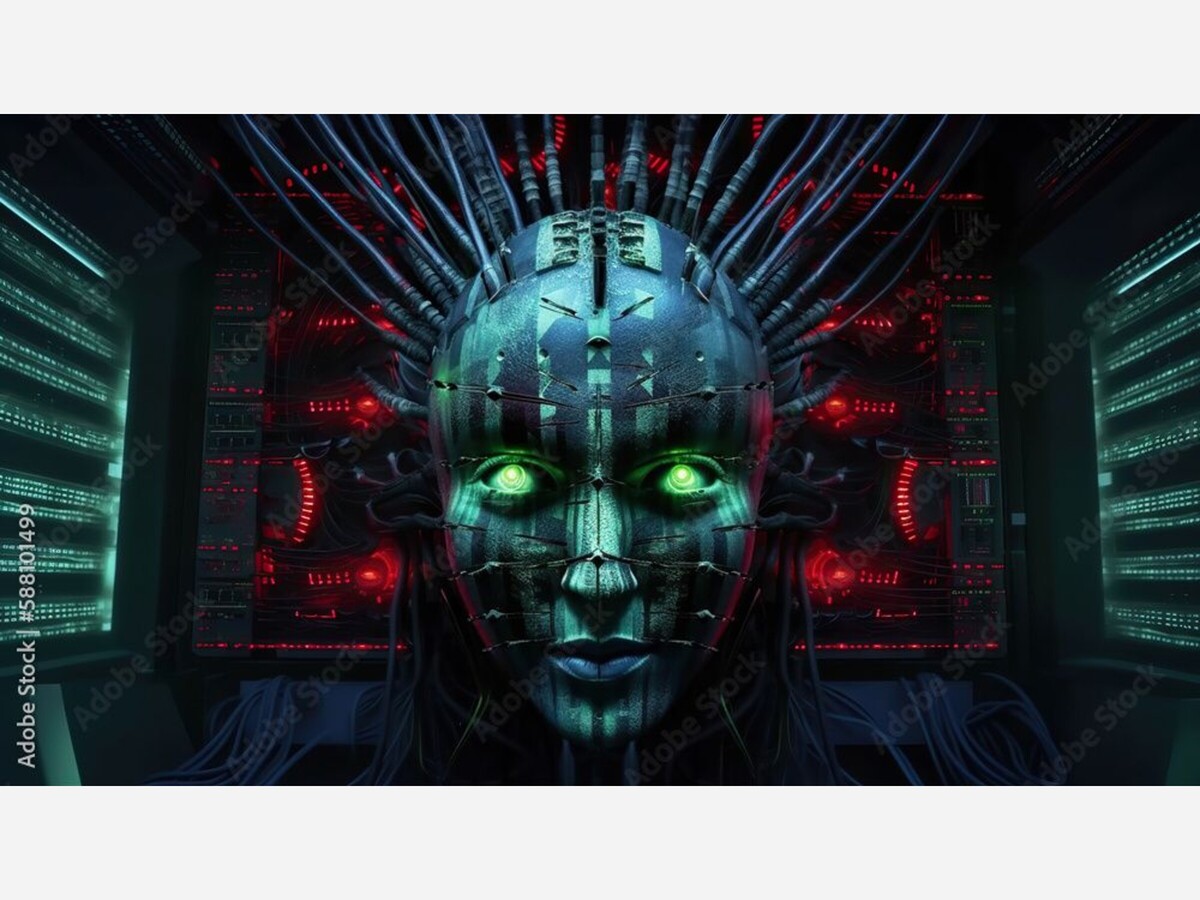
Pope Leo XIV recently warned that artificial intelligence could pose serious risks to human dignity, justice, and labor. Some experts say the concerns go even further: without strong regulation, AI could also threaten democratic institutions.
Authoritarian movements have historically adapted new technologies to spread propaganda and consolidate power. In the early 20th century, it was newspapers and radio; in the 2010s, it was social media. Today, analysts warn that artificial intelligence could become the next powerful tool for manipulating information and public opinion.
AI can generate vast amounts of political content in seconds, including personalized messages designed to influence specific voters. It can also create convincing text, images, audio and video, raising concerns about deepfakes and other forms of synthetic media that can impersonate public figures or fabricate events. During a recent election cycle, AI-generated robocalls imitating Joe Biden were used to discourage voters from participating in a primary election.
Beyond misinformation, governments are increasingly experimenting with AI-powered surveillance systems. Analysts often cite China as a leading example, where facial recognition and large-scale data monitoring are used to track public activity. Civil liberties advocates warn that similar tools could allow authorities to monitor protests, compile digital profiles of citizens, or make automated decisions about policing and public services.
Critics also note that AI systems can reflect the biases of the data used to train them, raising concerns about fairness and accountability when algorithms influence decisions about employment, benefits, or law enforcement.
As AI technology advances rapidly, policymakers are beginning to debate new safeguards. Proposed measures include banning AI-generated deepfakes in political advertising, increasing transparency around algorithms, and investing in independent systems that can detect large-scale disinformation campaigns.
Supporters of regulation say the goal is not to halt innovation, but to ensure that powerful AI systems do not undermine democratic processes. With the technology evolving quickly, many experts argue that decisions made in the coming years will play a crucial role in determining whether AI strengthens democracy—or weakens it.



Sunny, with a high of 57 and low of 39 degrees. Patchy rain nearby in the morning, clear in the afternoon and evening,




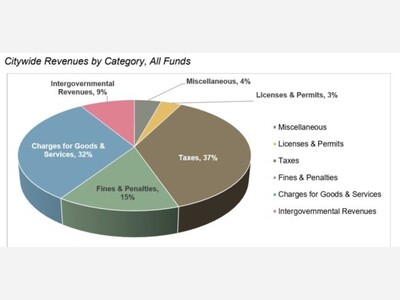

This is really well done and should be read by everyone who will vote on the property tax levy lid increase in our upcoming election. I hope every LFP council member has already read it and understands it.
I'm impressed with the analysis but I didn't see any attribution so am curious to know whether this was written by a human or generated by AI.

Both.