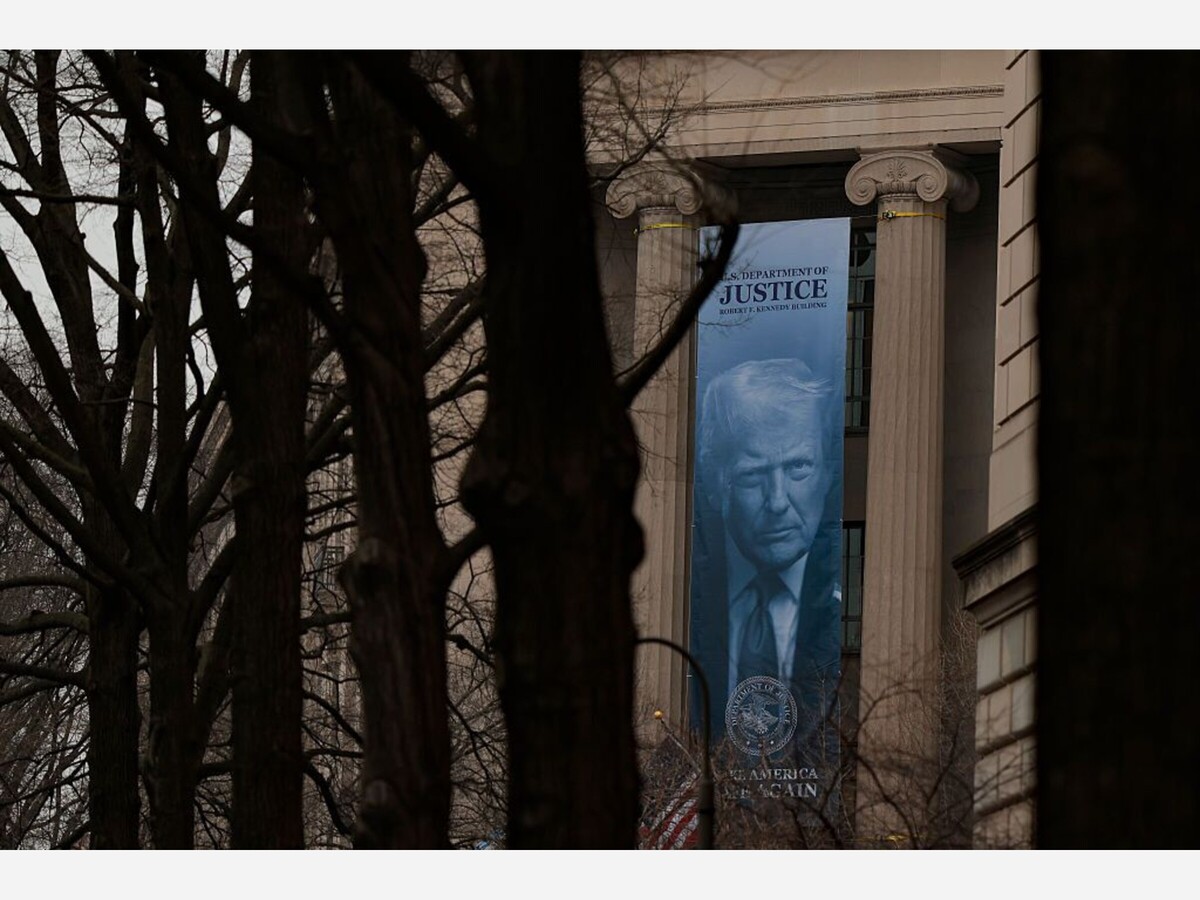
The U.S. Department of Justice is linking its push to obtain detailed voter data to concerns about the fairness of upcoming midterm elections, raising fears the Trump administration could later challenge the results.
The DOJ has sued 29 states and Washington, D.C., for refusing to provide unredacted voter rolls that include driver’s license numbers and partial Social Security numbers. Federal judges have so far rejected three of the lawsuits, ruling that federal law does not give the department authority to obtain full voter lists. The DOJ is now appealing those decisions and filing emergency motions in cases involving California, Michigan, and Oregon.
In those filings, the department argues that without prompt court rulings, the “security and sanctity of elections” in those states could be called into question. Election experts say the courts are unlikely to move quickly and warn that the language suggests the administration may cast doubt on the 2026 midterms if it cannot obtain the data.
The Trump administration says the information is needed to identify noncitizen voting, which studies show is extremely rare. Some Republican-led states have provided voter data, while Democratic officials and some Republicans argue the request invades voter privacy and could be used to target political opponents or create a national voter database.
Experts also say that even if the DOJ eventually wins in court, federal rules limiting voter roll purges close to elections would make it difficult to analyze and act on the data before the 2026 midterms.
Meanwhile, some states that shared data say they did so believing the DOJ has authority under federal voting laws, though officials warn that large voter databases can produce false matches that risk wrongly flagging eligible voters. Critics also worry the effort could discourage participation among naturalized citizens and other voters concerned about how their personal information might be used.
SOURCE
More News from Lake Forest Park

 40° and Partly Cloudy