40° and Partly Cloudy
Image
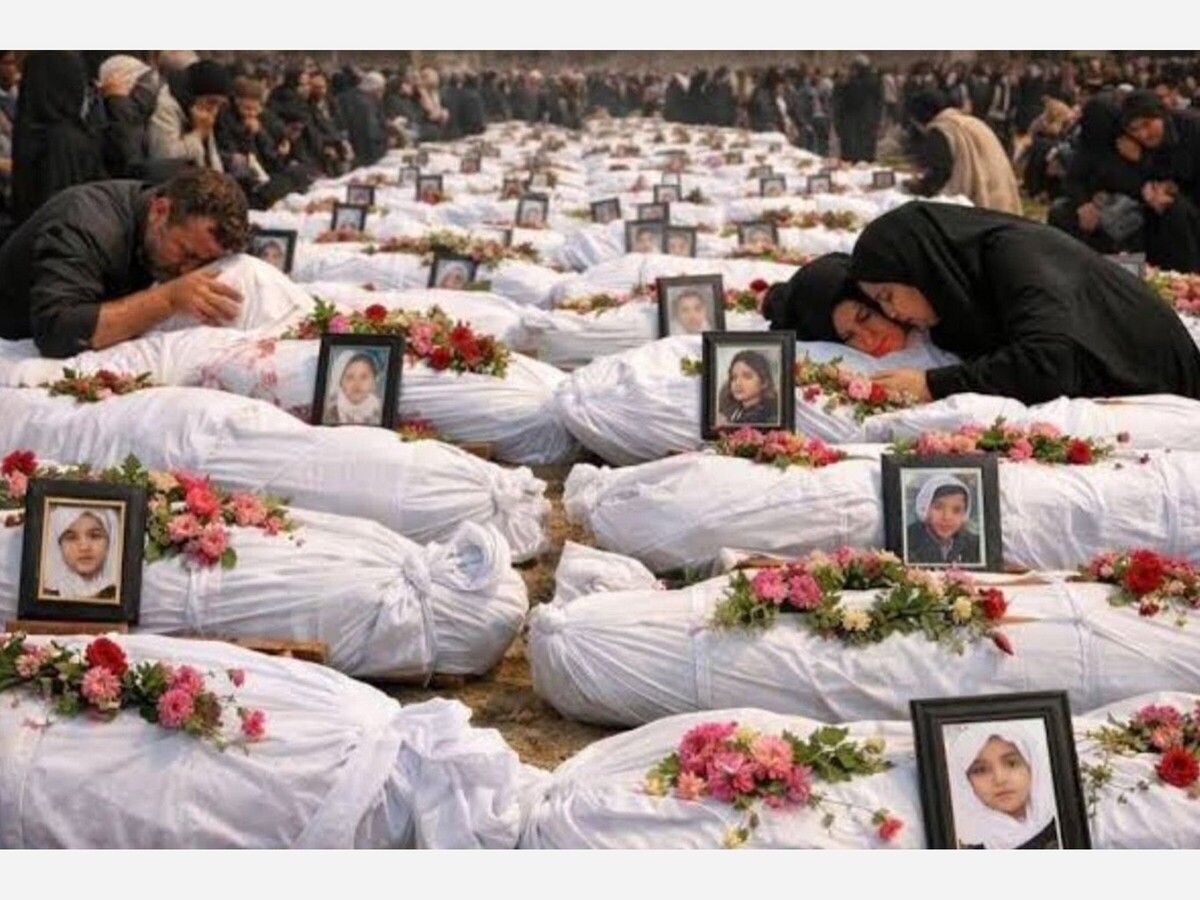
ilkha.com - if the strike was carried out unlawfully, those responsible—including military and civilian commanders—should face prosecution for potential war crimes.



Healthy democracies depend on citizens sharing the burdens of national decisions. When people contribute time, labor, or risk to the public good, they pay closer attention to government actions and hold leaders accountable. Shared sacrifice turns politics from an abstract debate into something personal.
As the war with Iran grows hotter, we should be asking a simple question that almost nobody in Washington wants to hear:
“If the road to war with Tehran required the sons and daughters of the billionaire and political class to march beside everyone else’s kids, would we still be there?”
Imagine if the United States had a national draft that applied to everyone equally—rich and poor, red states and blue states alike. The children of senators, CEOs, and television hosts would serve alongside the children of factory workers, nurses, and teachers.
If we had that here, do you think Republicans would still talk so casually
about war with Iran? Would Congress rush to authorize military force if
their own sons and daughters might be called up next month?
History suggests the answer is no.
That is already the case in countries like Norway (which includes women), Sweden (which includes women), Finland, Denmark, Switzerland, Austria, Greece, Israel (which includes women), South Korea, Singapore, Estonia, Latvia, and Lithuania. In some of these countries—including Finland, Switzerland, Austria, Norway, and Sweden—young people who do not want to serve in the military can instead complete civilian service in places like hospitals, social programs, or environmental projects.
National service also serves as a modern rite of passage into adulthood, something that has existed in some form in nearly every society throughout history. After completing a year of service, participants could receive meaningful benefits such as free college or trade school.
Just as important, young people would step outside their local bubbles. They would travel, encounter new places, and work closely with people who looked different, spoke differently, and practiced different religions.
Those alone would be powerful benefits of national service.
Modern America largely lacks this dynamic. Since the end of the military draft in 1973, national burdens—especially war—have been carried by a small volunteer force rather than the population as a whole. Most Americans can support or ignore major policies without facing direct consequences. As a result, leaders can make significant decisions, including military interventions, with relatively little sustained public scrutiny.
National service could help restore this missing link between citizenship and responsibility. A broad program might include military service, disaster response, infrastructure work, environmental restoration, education support, or public health programs. If participation were widespread, people from diverse backgrounds would serve together and develop a stronger connection to the institutions and policies that shape the country.
Shared service also strengthens democratic accountability. Citizens who participate in national programs better understand how government works and are more likely to demand competence and transparency from leaders. When people have “skin in the game,” they pay attention to how decisions are made and who makes them.
National service would not solve every democratic problem, and it would need careful design to avoid coercion or inefficiency. But by reconnecting citizens to the costs of national policy, it could rebuild an important civic principle: those who bear the consequences of government decisions should have both the power and the motivation to hold leaders accountable.
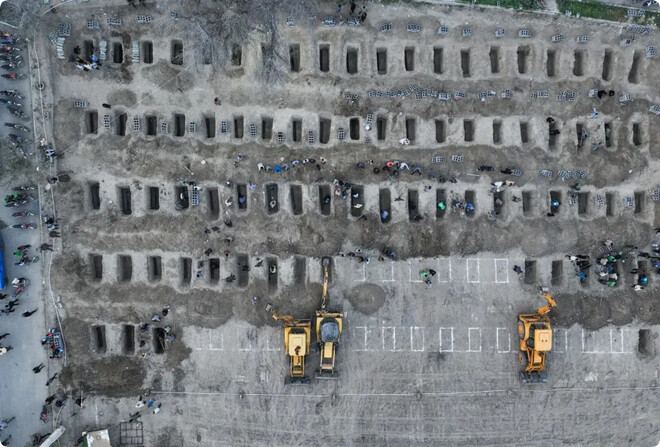 In this aerial photo released by the Iranian Press Center, mourners dig graves on March 3 for 168 young students Iranians say were killed when U.S. missle airstrikes hit the Shajaba Tayyiba Girls’ elementary school in Minab. Iranian Press Center/AFP/Getty Images


Sunny, with a high of 57 and low of 39 degrees. Patchy rain nearby during the morning, clear during the afternoon and evening,



This is really well done and should be read by everyone who will vote on the property tax levy lid increase in our upcoming election. I hope every LFP council member has already read it and understands it.
I'm impressed with the analysis but I didn't see any attribution so am curious to know whether this was written by a human or generated by AI.
Both.