45° and Overcast
Image




Political campaigns are moving beyond mass text blasts toward a new frontier: technology that enables personalized, real-time conversations with thousands of potential voters simultaneously. These systems can address complex policy questions instantly and listen to voter concerns at scale, gathering vital information for future campaign messaging.
Traditional campaign tactics like phone banks and door-to-door canvassing have grown outdated, leaving direct cell phone texting as a primary tool to bypass social media algorithms. Tech firms like Akillion, Convos, and Vector Political say advanced messaging technology turns text campaigns into interactive, multilingual systems that can respond to voters within 30 seconds. According to Vector Political, up to 10% of text recipients engage with these systems, occasionally chatting for hours.
The technology is currently seeing faster adoption among conservative campaigns. Strategic experts note that Republican campaigns are energetically experimenting with new messaging tools to do more with less. Conversely, Democratic campaigns remain more hesitant, largely due to party debates over technology’s environmental footprint, labor impacts, and general voter skepticism about tech regulation.
Despite its efficiency, the technology faces heavy pushback:
Industry veterans suggest that rather than trying to rescue a communication channel that voters already widely dislike, innovative technology may be better utilized to discover entirely new ways to connect with the electorate.


Overcast, with a high of 59 and low of 43 degrees. Mist during the morning, overcast in the afternoon, cloudy for the evening, overcast overnight.



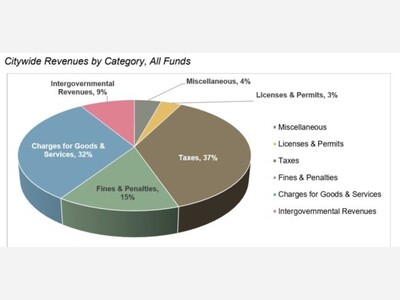

This is really well done and should be read by everyone who will vote on the property tax levy lid increase in our upcoming election. I hope every LFP council member has already read it and understands it.
I'm impressed with the analysis but I didn't see any attribution so am curious to know whether this was written by a human or generated by AI.
Both.