51° and Mist
Image
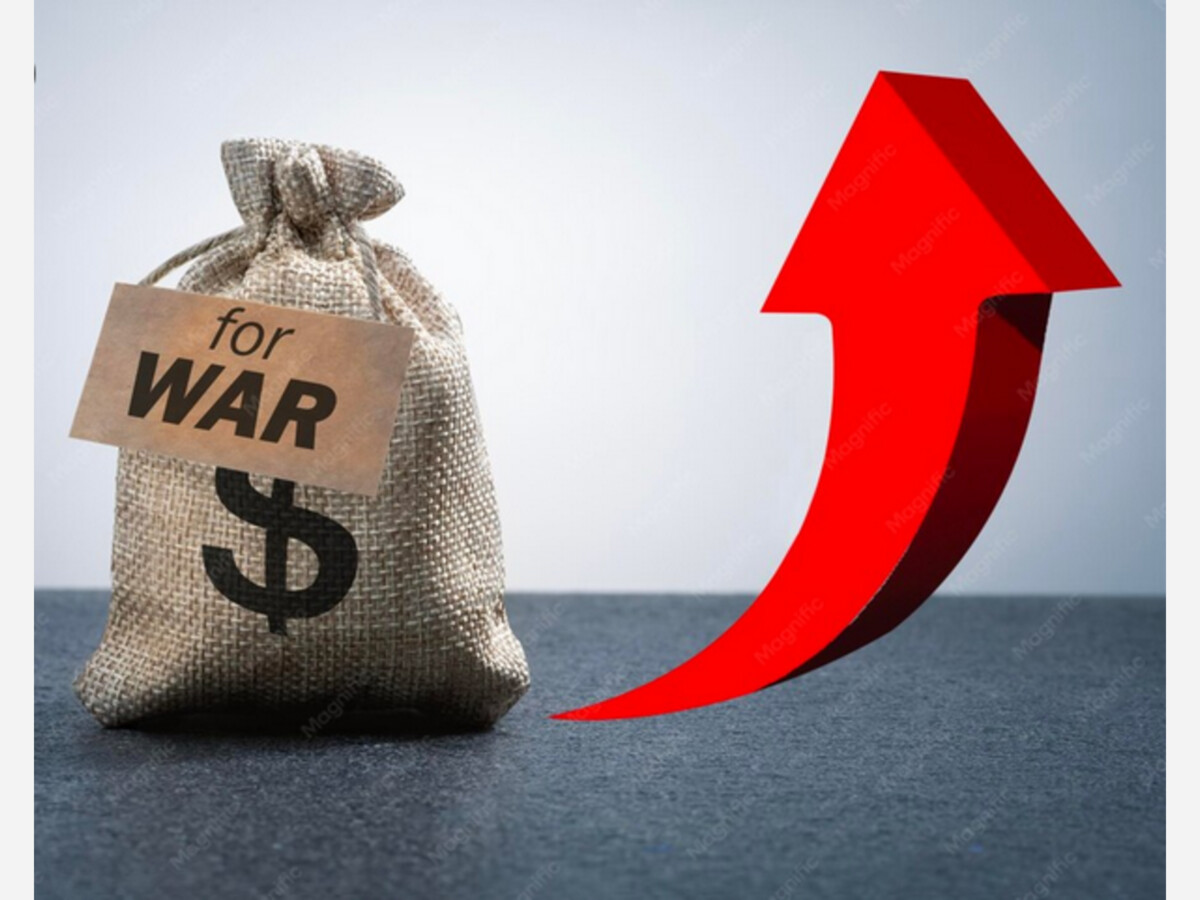



WASHINGTON — The war in Iran has already cost an estimated $25 billion, according to the Pentagon, but officials still cannot say when it will end.
Defense Secretary Pete Hegseth faced sharp questioning from lawmakers during a House Armed Services Committee hearing, where he was pressed on both the strategy and outcome of the conflict. Asked how the war concludes, Hegseth said the goal is to force Iran to abandon its nuclear ambitions, but acknowledged that hasn’t happened.
Lawmakers pointed to shifting justifications for the war. Initially framed as a response to an “imminent” nuclear threat, the administration now claims Iran’s nuclear facilities have been “obliterated,” even as officials concede Iran has not given up its ambitions.
Pentagon comptroller Jay Hurst told the committee the bulk of the $25 billion cost comes from weapons used in roughly 13,000 strikes before a ceasefire was declared April 7. It’s the first time the administration has publicly disclosed a price tag.
Despite the ceasefire, diplomacy has stalled. Only one formal round of talks has taken place, with indirect communication continuing through Pakistan. Meanwhile, both sides have imposed naval blockades in the Persian Gulf, choking off commercial shipping and driving up global oil prices.
Iran initially shut down the Strait of Hormuz using mines, drones, and missiles. The U.S. responded with its own naval blockade days later. Military analysts say the U.S. can sustain its presence indefinitely, though reopening the vital shipping lane would take time and likely require clearing mines and escorting vessels under risky conditions.
Before the war, more than 100 ships passed through the strait each day. Any resumption of traffic would be slower and more limited.
The ongoing standoff has created one of the most severe disruptions to global oil flows in decades, with no clear resolution in sight.


Overcast, with a high of 71 and low of 49 degrees. Mist in the morning, overcast in the afternoon, mist overnight.


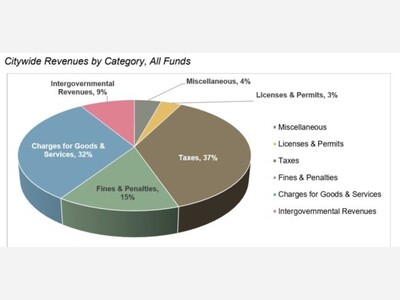

This is really well done and should be read by everyone who will vote on the property tax levy lid increase in our upcoming election. I hope every LFP council member has already read it and understands it.
I'm impressed with the analysis but I didn't see any attribution so am curious to know whether this was written by a human or generated by AI.
Both.