40° and Partly Cloudy


Image
19fortyfive.com
When the U.S. starts or enters a war in the Middle East, the benefits and costs are unevenly distributed. Different actors can gain in different ways, depending on the conflict, its duration, and geopolitical context. Here’s a breakdown of who has historically benefited most:
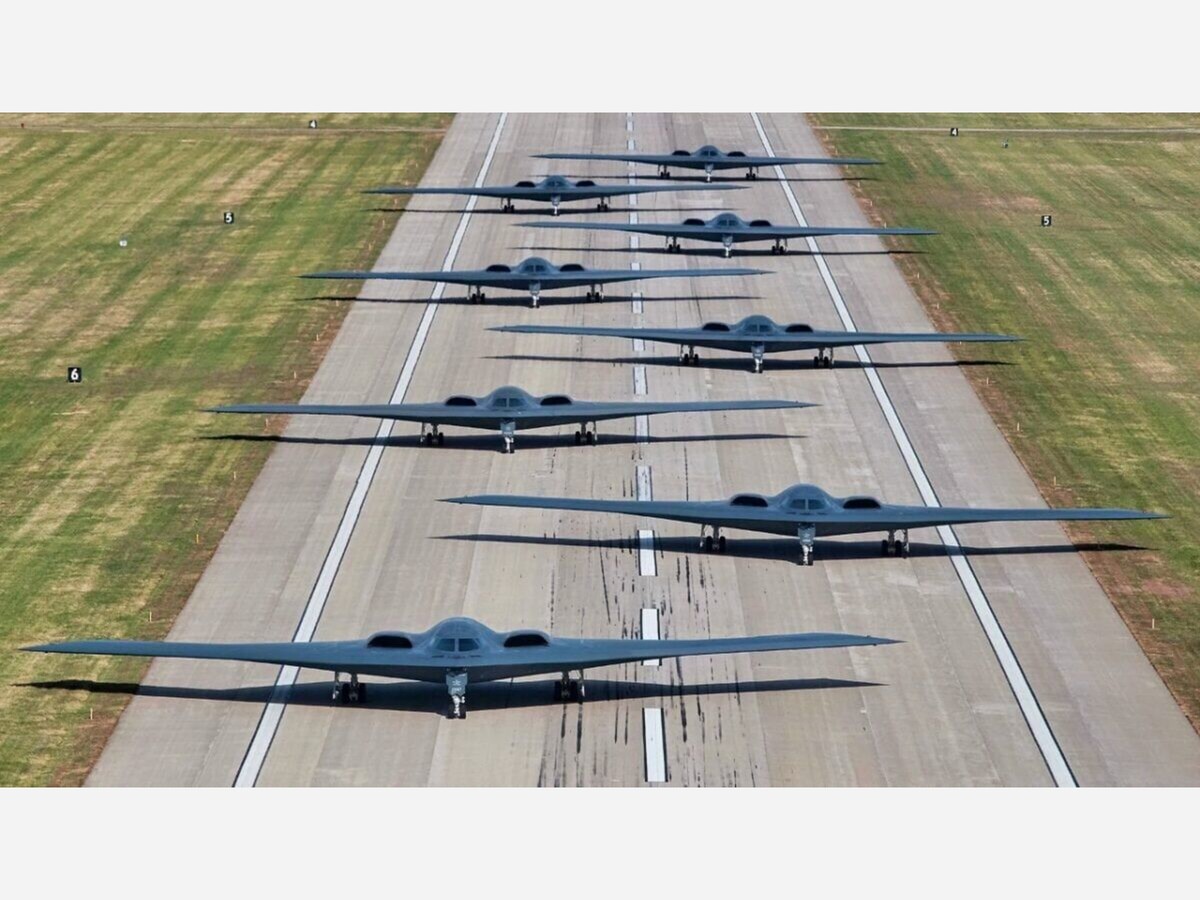
Major firms such as Lockheed Martin, Raytheon Technologies, Northrop Grumman, and Boeing typically see significant increases in government contracts during wartime.
How they benefit:
Weapons, missile systems, aircraft, and surveillance technology contracts
Maintenance and logistics agreements
Long-term procurement commitments
Stock prices in the defense sector have often risen during major conflicts such as the wars in Iraq and Afghanistan.
Companies like Blackwater (now Academi) expanded rapidly during the Iraq War.
How they benefit:
Security contracts
Facility protection
Convoy escorts
Training foreign forces
These firms operate on government contracts and scale with prolonged deployments.
Energy companies can benefit indirectly if conflict raises oil prices or reshapes regional production. Major players such as ExxonMobil and Chevron Corporation have sometimes operated in post-conflict environments.
How they benefit:
Higher global oil prices due to instability
Access to reconstruction or energy development contracts
However, this varies widely by conflict and market conditions.
Sometimes, countries not directly targeted benefit strategically if a U.S. intervention weakens their adversaries.
Examples:
Iran gained regional influence after the U.S. invasion of Iraq removed Saddam Hussein.
Israel may benefit in specific cases where hostile neighboring forces are degraded.
Geopolitical outcomes are rarely linear, and long-term effects can differ from short-term gains.
Domestic political leaders can experience temporary increases in approval ratings during the early stages of military action — sometimes called a “rally around the flag” effect. However, this often fades if wars become prolonged or unpopular.
Civilians in conflict zones
U.S. service members and their families
Taxpayers who fund long-term military expenditures
Regional stability
The economic and human costs are often substantial and long-lasting.
The clearest financial beneficiaries tend to be:
Defense contractors
Military service providers
Some energy-sector actors
Strategic beneficiaries vary depending on how the conflict reshapes long-term regional power dynamics, if they do at all.



Sunny, with a high of 57 and low of 39 degrees. Patchy rain nearby during the morning, clear during the afternoon and evening,



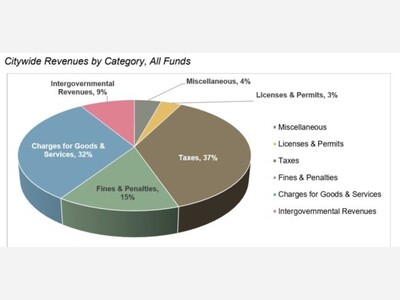

This is really well done and should be read by everyone who will vote on the property tax levy lid increase in our upcoming election. I hope every LFP council member has already read it and understands it.
I'm impressed with the analysis but I didn't see any attribution so am curious to know whether this was written by a human or generated by AI.

Both.