40° and Partly Cloudy
Image
timetoast.com



In a climate where the line between federal immigration enforcement and local policing has blurred to the point of invisibility, a dangerous new frontier is emerging. As reports surface of federal agents wearing "POLICE" vests to gain entry to private homes (and universities) without judicial warrants, a growing movement of citizens is looking back to the American Revolution for a strategy of resistance.
The Return of the "General Warrant"
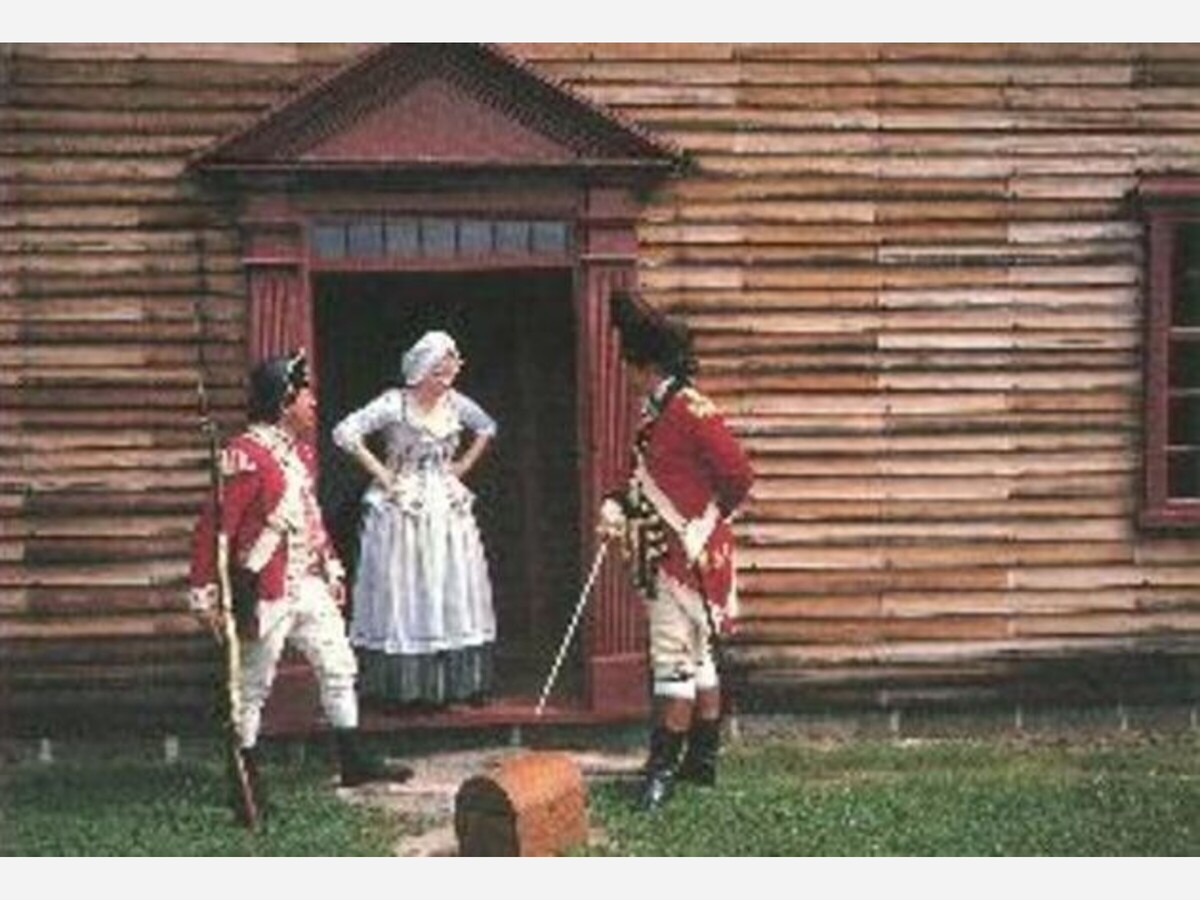
The Fourth Amendment was not born of abstract theory; it was a direct response to the "Writs of Assistance" used by British officials in the 1760s. These "general warrants" allowed the Crown to search any home at any time for any reason.
The outrage following these intrusions became a primary catalyst for the Revolution. James Otis, a lawyer in colonial Massachusetts, famously called these warrantless entries "the worst instrument of arbitrary power," arguing that "a man’s house is his castle." When the Founders drafted the Bill of Rights, they sought to ensure that no government agent—local or federal—could cross a threshold without a warrant signed by a neutral magistrate based on probable cause.
The "Ruse" and the Local Silence
In 2026, the modern equivalent of the Writ of Assistance is the "administrative warrant." While it carries no legal weight to enter a private residence without consent, ICE agents frequently use "ruses"—identifying themselves as "Police" or "Detectives" investigating a local crime—to trick residents into opening their doors.
While "sanctuary" jurisdictions like California and Washington have enacted policies to prevent local officers from assisting in these actions, there is a growing frustration among residents who feel local police are standing idly by while federal agents "impersonate" them. This silence, critics say, creates a vacuum of protection that the Founders never intended for citizens to navigate alone.
"A Man's House is His Castle"
As legal challenges to the May 2025 ICE Memo (which authorized forced entries) wind through the courts, a more visceral form of resistance is taking root. In community forums and neighborhood watch meetings, the conversation is shifting toward the right of self-defense.
Under "Castle Doctrine" laws present in many states, homeowners have the legal right to use force—including armed force—against intruders who enter their homes unlawfully or through deception. Proponents of this "New Patriot" movement argue that if a man in a "POLICE" vest enters a home without a judicial warrant and refuses to identify his specific legal authority, he is not an officer of the law, but an intruder. "If the local sheriff won't protect the Fourth Amendment, then the homeowner must," says one local advocate, citing the Second Amendment as the ultimate guarantor of the Fourth.
A Powder Keg of Jurisdiction
The legal reality remains perilous. Federal law generally grants agents immunity, and any armed confrontation with federal officers—even those acting unconstitutionally—often ends in tragedy and life-long imprisonment. However, as the gap between constitutional rights and federal tactics widens, the "Castle" is once again becoming a site of defiance.
For many, the choice is becoming clear: wait for a court to rule on a violation that has already happened, or stand at the door as their ancestors did in 1776, demanding to see the King’s—or the Judge’s—signature.
2026 Verification Protocol
If agents are at your door, ask them to slide the document under the door or hold it up to a window. If it is an administrative warrant (DHS/ICE seal, signed by an agent), you are not legally required to open the door. In Washington, if local police are present, they are required to inform you that you have the right to refuse a warrantless search (Ferrier Warnings).
1. Washington’s "Castle Doctrine" and Stand Your Ground
Washington does not have a formal "Castle Doctrine" in its written statutes (RCW), but it is firmly established through case law (e.g., State v. Studd and State v. Reynaldo Redmond).
2. Resistance Against "Deceptive" Law Enforcement
If individuals claiming to be "police" attempt to enter your home without a judicial warrant, your legal standing for resistance depends on your "reasonable belief" at the moment of entry:
3. Identifying the Warrant
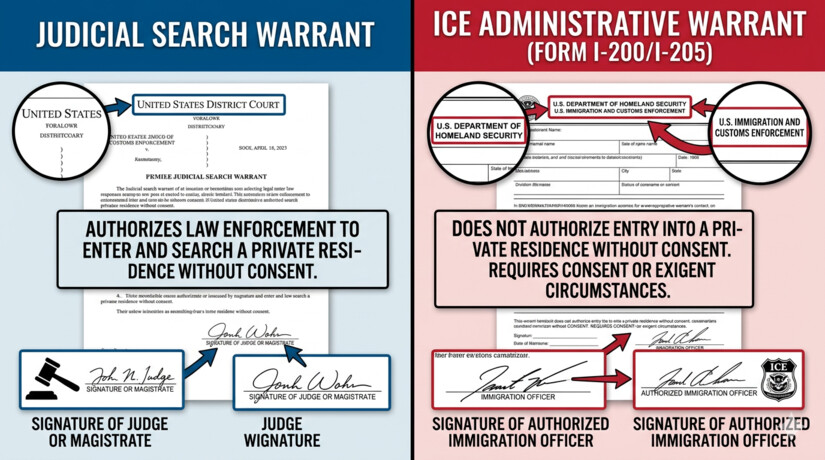
To protect your Fourth Amendment rights without escalating to a physical confrontation:
WARNING: Physically or armed-resisting federal agents—even if they are acting unconstitutionally—is extremely dangerous. Federal agents often have "qualified immunity," and any use of a weapon against them will likely result in immediate lethal response and severe federal charges.
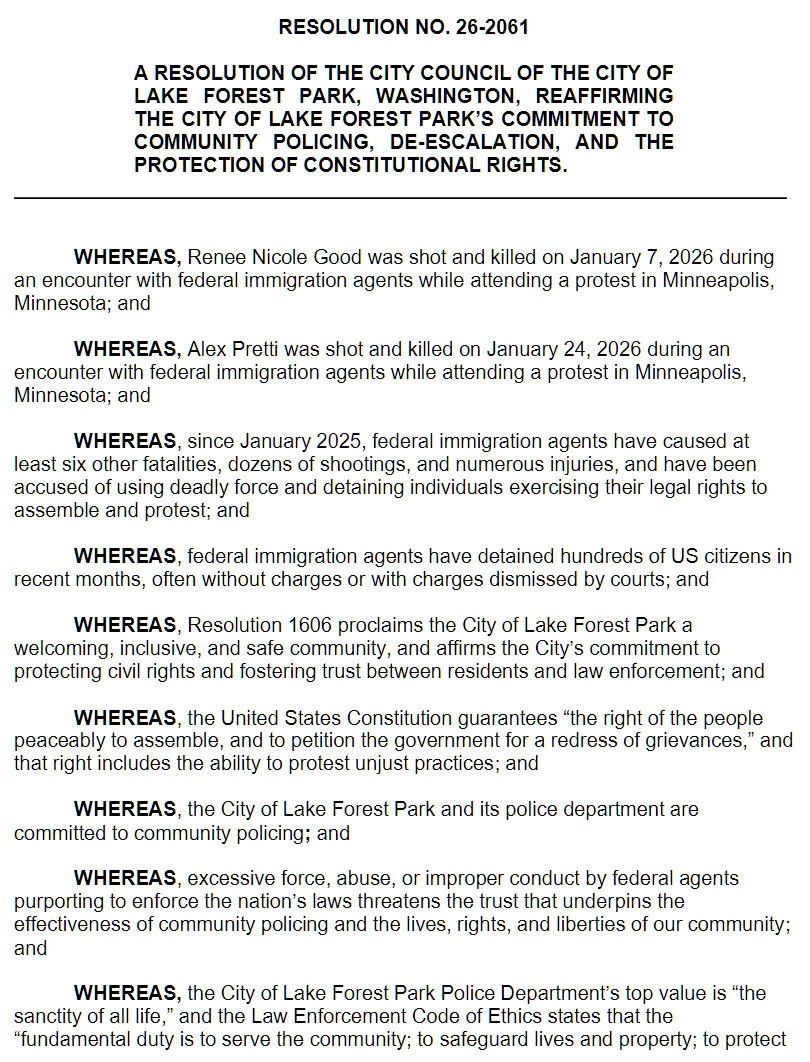
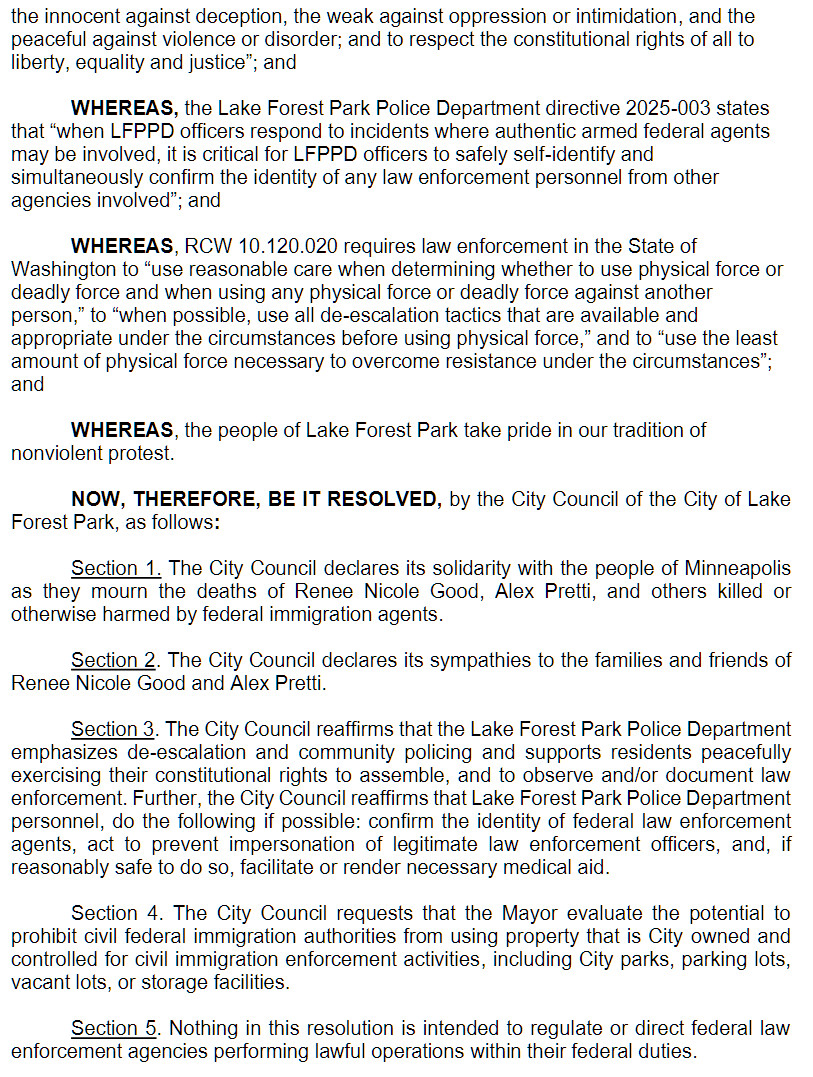
The City of LFP recently passed an enhanced Resolution 26-2061 to do what they can regarding potential future ICE/Border Control activity in our city, in alignment with most of our neighboring cities. In a recent extended discussion with LFP Police Chief Harden, the author and another community member, Chief Harden explained why the resolution couldn't be more aggressively worded at this time:



Sunny, with a high of 57 and low of 39 degrees. Patchy rain nearby during the morning, clear during the afternoon and evening,





This is really well done and should be read by everyone who will vote on the property tax levy lid increase in our upcoming election. I hope every LFP council member has already read it and understands it.
I'm impressed with the analysis but I didn't see any attribution so am curious to know whether this was written by a human or generated by AI.
Both.