Image
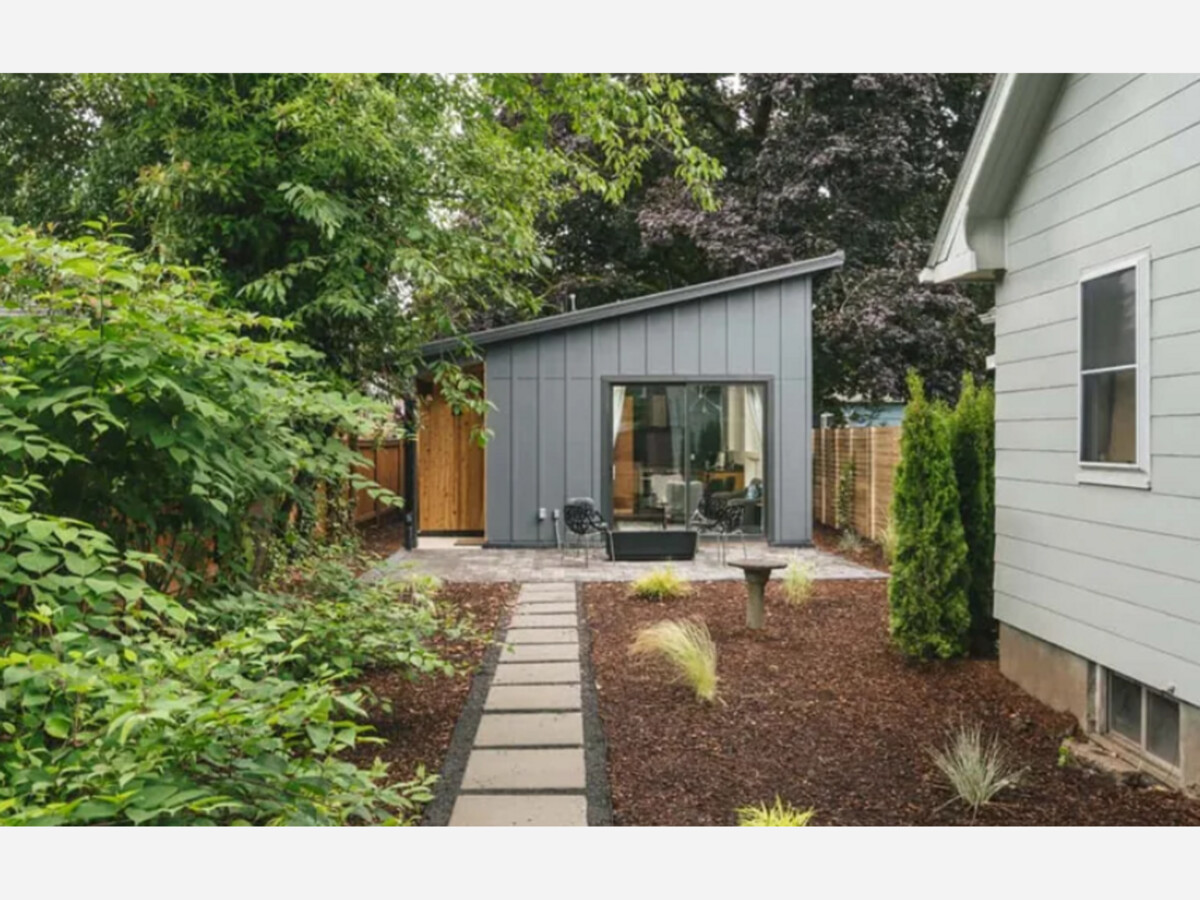



Lake Forest Park Accessory Dwelling Unit Building Code
Local ADU/DADU builder
By Paula Goode
Lake Forest Park is just 3.5 square miles, shaped by steep slopes, streams, and sensitive natural areas. These features make our city uniquely beautiful—but they also limit how much housing we can build. Unlike other communities, we can’t simply “build our way” into affordability. In addition, we should not feel guilty for wanting to keep our neighborhoods with trees and meandering streams-the same!
Yet like much of our region, we face two urgent challenges: rising housing costs that push out workers and students, and older residents living alone in homes larger than they now need.
That’s why it may be time to look at a proven model from abroad: Homeshare.
What is Homeshare?
Homeshare, widely used in the United Kingdom and other countries, matches a householder (someone with a home but in need of a little support) with a homesharer (someone looking for affordable housing).
In exchange for safe, low-cost accommodation, and maybe a small stipend (rent), the homesharer can provide about 10 hours of weekly support—things like shopping, cooking, light chores, or simply companionship. Importantly, Homeshare is not personal caregiving, but it can complement professional care services, making the lives for the homeowner more comfortable and healthier.
“Homeshare is about sharing space, sharing lives, and strengthening community—one home at a time.”
What It Looks Like in Practice
Imagine a retired Lake Forest Park resident with a spare bedroom, or even a lower split level. She enjoys her home but finds it hard to shop and would like some company in the evenings. At the same time, a local nursing student struggles with long commutes because she can’t afford rent nearby.
Homeshare connects them. The student moves in, provides weekly help, and in return has a safe, affordable home close to school. Both lives improve—and the whole community benefits.
Benefits for Lake Forest Park
Lessons from Abroad
In Oxfordshire, families of elderly householders said Homeshare gave them reassurance and eased daily worries. In Gloucestershire, older residents called their homesharers “invaluable,” crediting them with keeping the house full of life.
Homesharers also describe benefits: affordable housing, friendships, and the chance to contribute meaningfully. Many stay in touch long after the arrangement ends.
Across the UK, Homeshare is seen as a preventative model of social care—helping people remain independent at home longer, while reducing the much higher costs of institutional care.
Why Now?
Lake Forest Park is at a crossroads. We know we can’t rely on large-scale development to fix affordability. But we can use what we already have: our homes, our spare rooms, and our community spirit.
A local Homeshare program would let us extend independence, create affordable housing, and strengthen connections—all without changing the character of our city.
It wouldn’t solve every housing challenge. But it could be one of the most practical, compassionate solutions for a community like ours.
“We can’t build our way to affordability. But we can
share our way into stronger, more connected neighborhoods.”
Moving Forward
Homeshare programs are well established abroad. With interest from residents and collaboration among local organizations, Lake Forest Park could pilot one here.
The question isn’t whether the model works—it already does. The question is whether we, as a community, want to take the step of making it real.

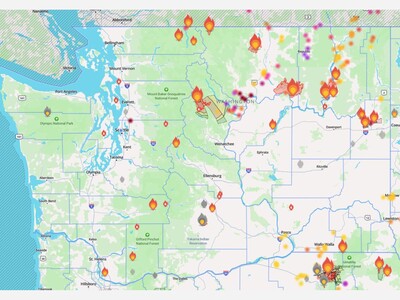
Smoky haze, with a high of 85 and low of 54 degrees. Smoky haze during the morning, clear overnight.
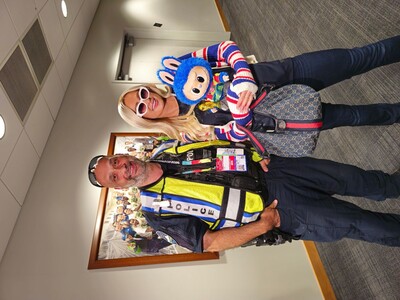

After I completed the very first Community Police Academy (I would highly recommend participating in this), I had the honor of doing my "ride along" with Sgt Walker. A true compassionate professional and an asset to our LFP police department.

What an excellent choice. Chief Zanella will do an excellent job leading our LFP PD.