51° and Mist
Image



On December 11, 2025, the EPA
announced that the City of Shoreline would receive a Solid Waste
Infrastructure for Recycling (SWIFR) Grant. The grant, in the amount of
$4.4 million, will allow the City to establish the Shoreline Reuse
Center.
“We are honored that Shoreline’s proposal was selected in such a
competitive national grant process. The Shoreline Reuse Center will
empower our community to reduce waste, extend the life of everyday
goods, and build on our culture of reuse and repair,” said Shoreline
Mayor Chris Roberts. “We’re proud to be leading the way in creating
innovative solutions that benefit both our environment and our
residents. We are grateful for Representative Jayapal’s help in making
this grant a reality for Shoreline.”
The Shoreline Reuse Center will be a one-stop community resource for
residents and businesses to responsibly buy, donate, repair, and
repurpose goods. The City is designing the project to inspire innovative
waste-reduction solutions and expand community access to reuse
services.
The Shoreline Reuse Center will co-locate several key functions, including:
This project directly advances implementation of the Shoreline
Climate Action Plan, supporting the City’s goals to reduce emissions,
increase access to recycling and reuse services, and decrease per-capita
waste generation.
The selection of Shoreline for this grant is especially notable given
how competitive it was nationally. Three hundred and seven local
governments across the United States submitted applications requesting
approximately $1.072 billion in total funding. The EPA selected only 17
applicants, awarding approximately $58 million overall, which represents
about 5% of the total funding requested.
A reuse center is a place where usable items are donated, repaired, and redistributed instead of being thrown away. The goal is to reduce waste, save money, and extend the life of products by keeping them out of landfills.
In simple terms: it’s like a thrift store, recycling hub, and community resource rolled into one.
Furniture
Building materials (doors, cabinets, lumber, fixtures)
Appliances (working or repairable)
Tools and hardware
Electronics
Household goods
Art or craft supplies
Resell them at low cost to the public
Refurbish or repair items before resale
Donate items to nonprofits or people in need
Salvage parts from damaged items for reuse
Reuse: keeps the item intact and usable
Recycle: breaks materials down into raw components
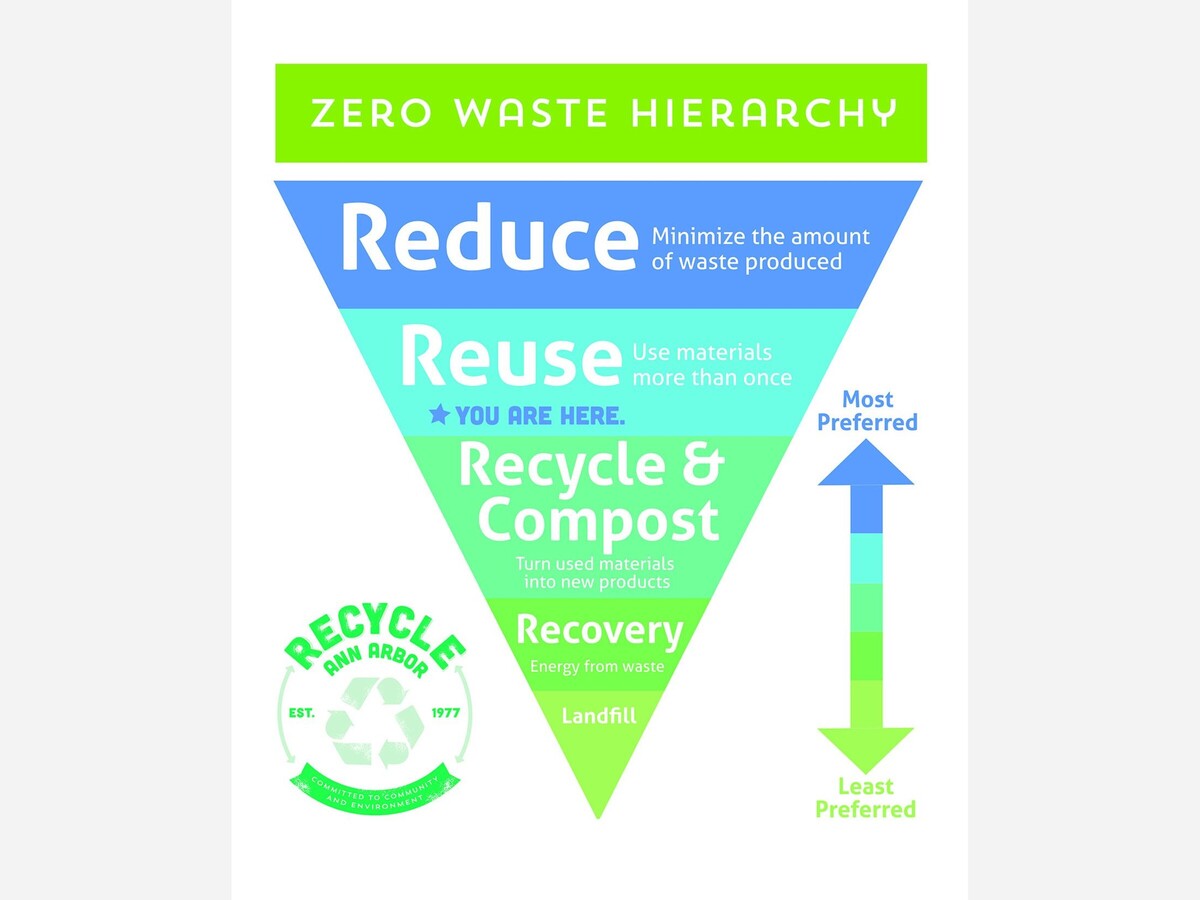
Reuse comes first in the “reduce, reuse, recycle” hierarchy because it saves the most energy and resources.


Overcast, with a high of 74 and low of 51 degrees. Overcast in the morning, clear in the afternoon and evening, partly cloudy overnight.