40° and Partly Cloudy
Image
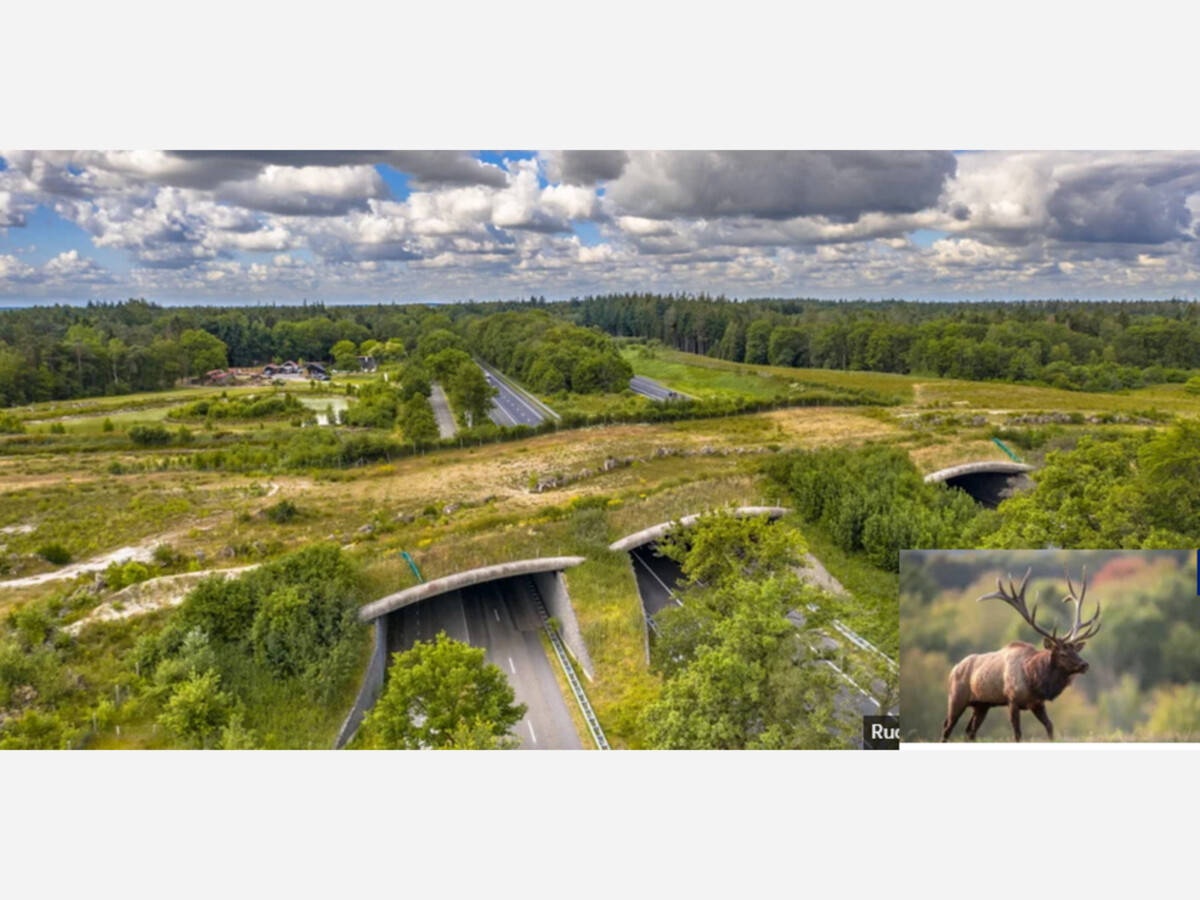
Rudmer Zwerver | Shutterstock.com



Wildlife & wild places - December 4, 2025
Advocate, Environment Washington
Washington is home to some of the
nation’s most incredible wildlife. Moose, deer, elk, fishers, American
pika, and more have habitat across the state. If you are lucky, you may
see an elk resting peacefully amongst the trees in the Olympic National
Forest or an American pika dart out from a rock while exploring the
North Cascades. Washington’s wildlife offers so much to appreciate but
perhaps the worst way to encounter wildlife is on the road.
Wildlife are forced to risk their
lives to cross dangerous roads in order to navigate their natural
habitat. Wildlife crossings, bridges or tunnels over and under roads,
allow animals to find food and shelter without having to cross a road.
If you’ve ever driven through the Snoqualmie Pass you may have seen a
large crossing bridge over I-90. The Snoqualmie Pass East Project was
completed in 2019 and serves as the largest wildlife crossing bridge in
North America with over 25,000 animals crossing it each year.

Wild moose crosses road
At the end of 2023, the Washington State Department of Transportation (WSDOT) reported nearly 8,000 elk, over 13,000 deer and over 3,600 coyotes made the trip across the wildlife bridge when navigating their habitat.
Large animals are not the only
wildlife to use the bridge. Western toads, an endangered species in
Washington, are now able to make it to their breeding grounds in the
wetlands south of the I-90 crossing allowing the newly born toads to
safely cross over I-90 without risk of being hit by a vehicle.
American Pika are another endangered
species that benefit from wildlife crossings. These small furry
creatures are about 6-8 inches long with large, round ears and reside
mostly at high elevations throughout the Cascade Mountains. If you’ve
hiked around Lake Chelan you may have had the pleasure of witnessing one
scurry past you to find vegetation.

American Pika
Without wildlife crossings, Pika
have to risk their lives and cross roads and avoid vehicles roughly 20
times larger than them. Now, these adorable animals have been documented
using several crossings along I-90 to safely find food and shelter on
either side of the interstate.
Connecting habitats is crucial to
ensuring endangered species like the western toad and the American Pika
are protected from needless collisions with vehicles. The Snoqualmie
Pass East Project offers a glimpse into how we can ensure Washington’s
wildlife can thrive for generations to come. But we need more crossings
in more places.
You can call on your elected officials to prioritize funding additional crossings in Washington.
Tell your state officials: Protect wildlife and expand wildlife crossings

We need more wildlife crossings to protect Washington's wildlife.
Advocate, Environment Washington
McKenna oversees progress on Environment Washington's priority
campaigns and member engagement across the state. McKenna lives in
Seattle where she enjoys reading, painting and exploring the outdoors.

Sunny, with a high of 57 and low of 39 degrees. Patchy rain nearby in the morning, clear in the afternoon and evening,


This is really well done and should be read by everyone who will vote on the property tax levy lid increase in our upcoming election. I hope every LFP council member has already read it and understands it.
I'm impressed with the analysis but I didn't see any attribution so am curious to know whether this was written by a human or generated by AI.
Both.