Image
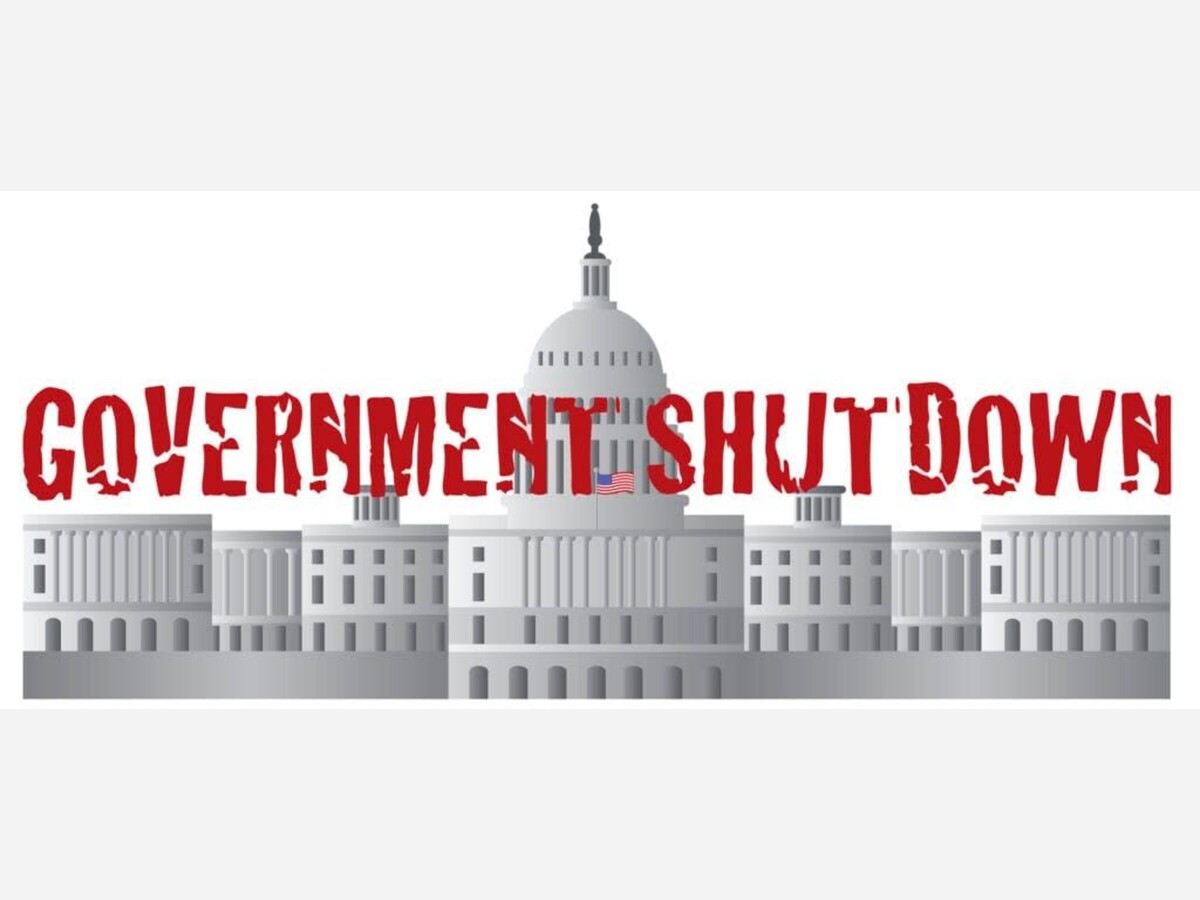



WASHINGTON (AP) — Despite bipartisan criticism of government shutdowns as harmful and counterproductive, Congress is once again teetering on the brink of one, with the government set to run out of funding on October 1.
Democratic leaders are threatening to withhold support for a short-term funding bill unless Republicans agree to extend key health care subsidies set to expire by year’s end. Senate Majority Leader Chuck Schumer (D-N.Y.) and House Democratic Leader Hakeem Jeffries (D-N.Y.) are demanding policy concessions, while Republicans push for a “clean” stopgap bill to keep the government open for seven more weeks.
“Shutdowns benefit nobody, least of all the American people,” said Senate Republican Leader John Thune (R-S.D.), echoing similar sentiments from top leaders in both parties, including former Senate Majority Leader Mitch McConnell (R-Ky.).
However, with tensions high and Democrats sensing possible political advantages among their base, a shutdown may be more likely than usual. The White House has already prepared contingency plans to lay off potentially thousands of federal workers — a harsher measure than past shutdown furloughs.
Historically, shutdowns have rarely benefited those who initiated them:
2018-2019: President Donald Trump presided over the longest shutdown in U.S. history (35 days) demanding funding for a U.S.-Mexico border wall. It ended without Trump achieving his goal.
January 2018: Democrats shut the government down for three days over protections for “Dreamers.” They relented after Republicans promised a future vote.
October 2013: Tea Party Republicans shut down the government for 16 days to fight Obamacare. No major concessions were won.
1995-96: Republicans led by Speaker Newt Gingrich shut down the government for three weeks over budget demands. President Bill Clinton emerged politically stronger and won reelection.
1970s-80s: Frequent short-term shutdowns occurred under Presidents Carter and Reagan, but a 1980 legal opinion made modern shutdowns more disruptive by requiring actual halts in government services.
As the October 1 deadline looms, history suggests that a shutdown could do lasting damage — with little payoff for either party.


Overcast, with a high of 74 and low of 51 degrees. Overcast for the morning, clear for the afternoon and evening, partly cloudy overnight.