Image
Courtesy of Washington State Department of Natural Resources



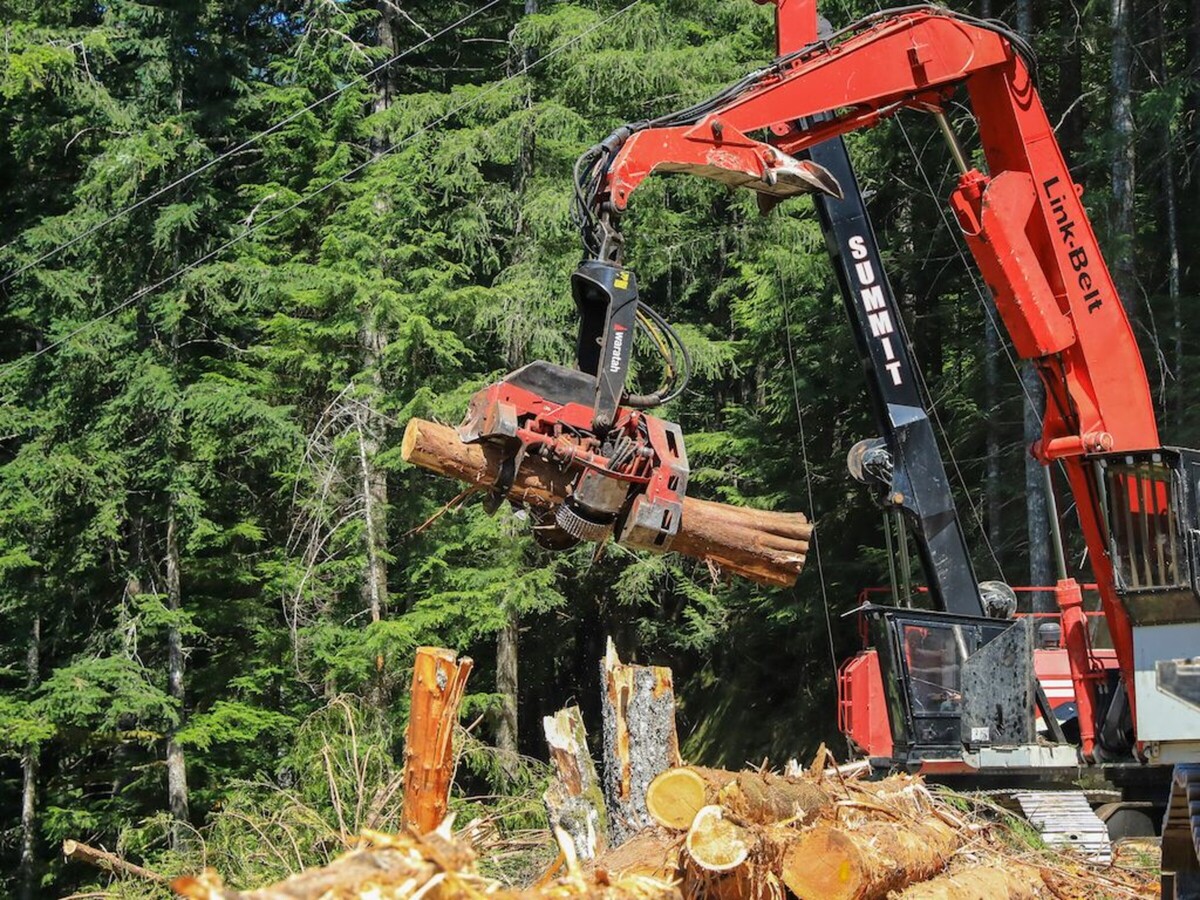
Washington Gov. Bob Ferguson and Attorney General Nick Brown are opposing a Trump administration proposal to weaken the Roadless Rule, a federal regulation that has restricted logging, mining, and road construction on about 2 million acres of national forest in the state since 2001.
In formal comments submitted this month, Ferguson and Brown argued that rescinding the rule would jeopardize clean water, wildlife habitat, tribal treaty rights, and Washington’s outdoor recreation economy, which contributes an estimated $400 million annually. They also warned that it would undercut recovery efforts for threatened species, such as Chinook salmon, gray wolves, and the northern spotted owl.
The Roadless Rule protects roughly 45 million acres nationwide. The U.S. Department of Agriculture aims to finalize its rewrite by the end of 2026, following the release of a draft environmental impact statement.
Supporters of the rollback, including the American Forest Resource Council, argue that the regulation has led to overly dense forests, thereby increasing wildfire and disease risks. They say that increased logging and road access would facilitate better forest management.
Opponents counter that the rule already permits wildfire mitigation and caution that adding roads could worsen environmental damage. Ferguson criticized the proposal’s “abbreviated comment period” and lack of tribal consultation, calling for stronger assurances of environmental protections if the rule is lifted.
Washington’s comments were part of a joint 49-page letter signed by attorneys general from eight states. Tribes and environmental advocates have also rallied against the repeal, warning of long-term ecological and cultural impacts.

Overcast, with a high of 74 and low of 51 degrees. Overcast for the morning, clear for the afternoon and evening, partly cloudy overnight.