55° and Overcast

Why Communication Fails First in Emergencies—and How Shoreline ACS Plans for That


Imagine a winter storm knocks out power across the neighborhood. Your phone battery is dropping. Internet service is out. You want to check on family members, find reliable updates, and know what happens next.
In many emergencies, one of the first things people lose is communication. Sometimes the problem is physical damage to power lines, towers, or internet equipment. More often, systems are simply overloaded. Too many people call at once. Text messages are delayed. Reliable information becomes harder to find.
When communication breaks down, even small problems can feel much bigger. People want to know whether loved ones are safe. They need updates about road closures, shelters, medical help, school closures, or changing conditions. First responders need to coordinate quickly. Communities need accurate information they can trust.
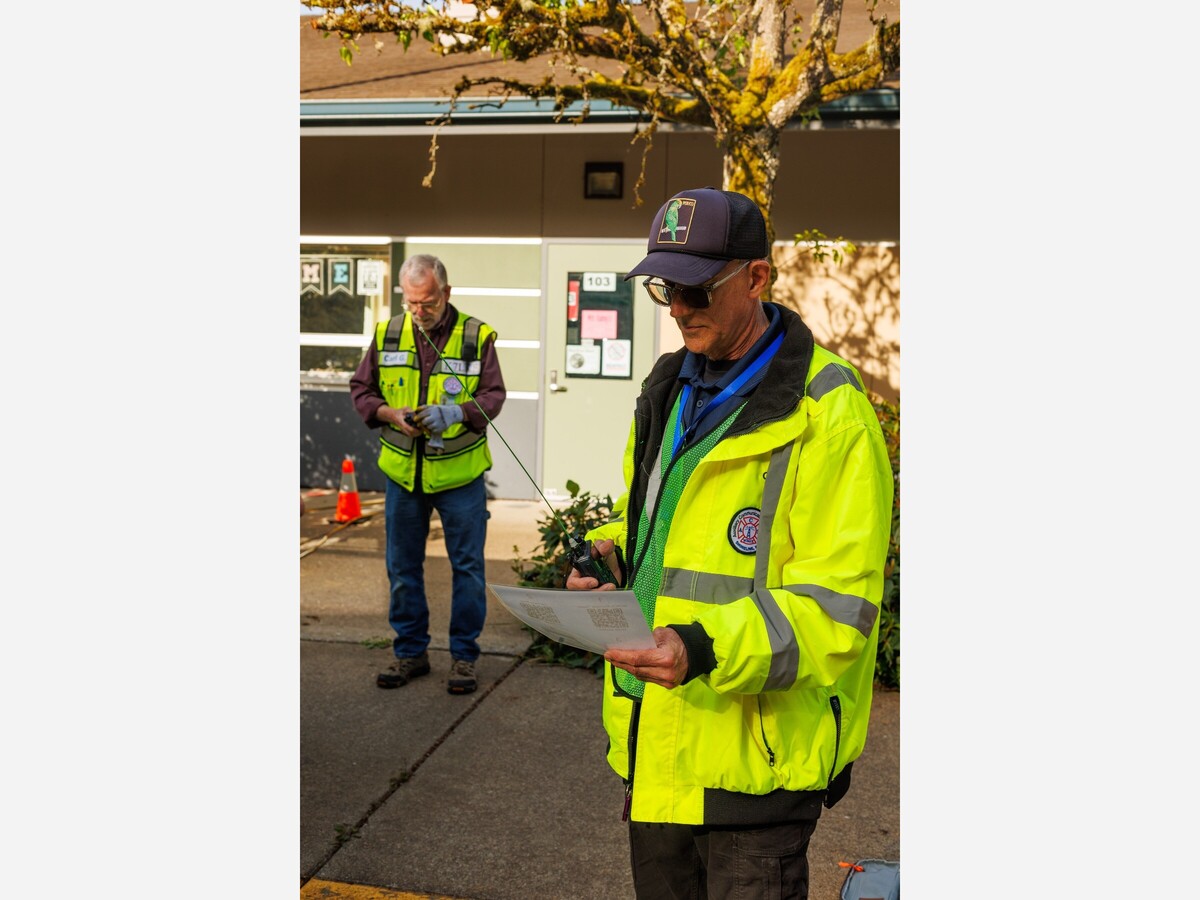
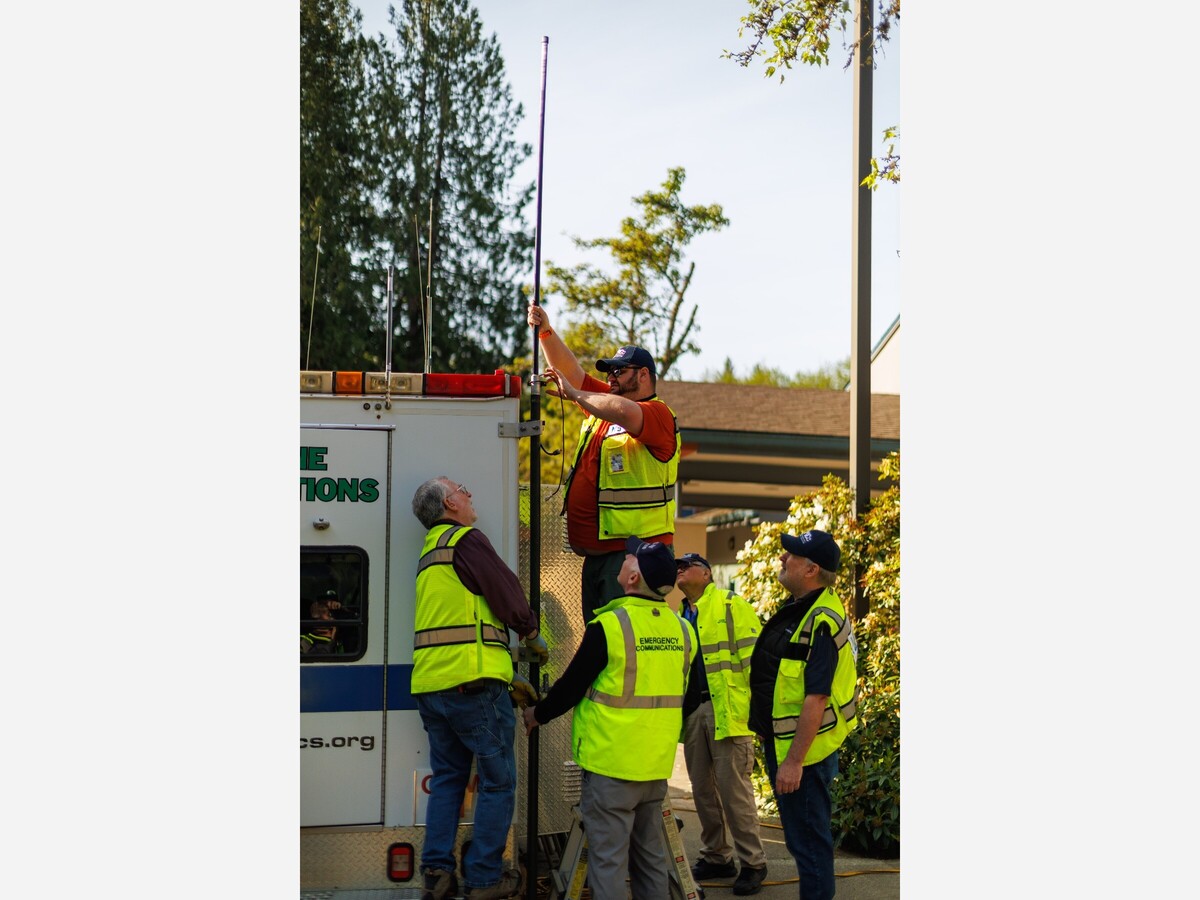
That is why Shoreline ACS plans ahead. Shoreline Auxiliary Communications Service, or ACS, is a local volunteer organization that trains to help when normal communication systems are overloaded or unavailable. Members support public safety and emergency management partners during storms, disasters, and major community events.
Many people assume smartphones solve every communication problem. Most of the time, they do. But phones depend on electricity, network capacity, internet connections, and working towers.
If any part of that system fails, service becomes less reliable. Residents have already seen smaller versions of this during windstorms, snow events, power outages, and crowded gatherings when networks slow down. In a major regional disaster, those same problems could last much longer.
That is where backup systems matter. Shoreline ACS members train in radio communications because radio can work independently of commercial cellular networks. With the right equipment and training, volunteers can pass messages, relay reports, and help keep information moving when other systems are down.
But emergency communication is about more than radios. It also means sharing clear information, reducing confusion, and helping the right people get the right message at the right time.
ACS members train year-round, meet regularly, maintain equipment, and practice before emergencies happen. The goal is simple: learn now, so they are ready later.
They do not replace police, fire, or medical responders. They are trained volunteers who help strengthen the community’s overall response.
There is also a lesson for households. Every family can improve communication readiness by keeping battery packs charged, storing key phone numbers on paper, owning flashlights and a basic radio, and making a plan for how to reconnect if phones are not working.
Preparedness is not about panic. It is about confidence. Knowing how you will get information, contact family, and adapt when normal systems are disrupted can make stressful situations more manageable.
Most days, communication systems work so well that we hardly notice them. Until they do not. That is why Shoreline ACS continues to prepare quietly in the background—so when communication becomes difficult, the community is not starting from zero.
Residents interested in learning more about preparedness, amateur radio, or volunteering can visit shorelineacs.org.